May 20 is World Bee Day! Yay!
Bees are among the most important creatures we have in the world! The transfer of pollen between flowering plants leads to fertilisation and the eventual creation of a great deal of the food we eat.
Without bees to undertake this important work we, as a whole species, would be at serious risk of extinction. I don’t think there’s any mincing of words to be done on this topic.

According to the World Bee Day website (worldbeeday.org) there are 20,000 species of bees worldwide, with 2000 of them residing here in Australia. Each of these species has evolved specifically to be able to perform the function of pollination whilst becoming a part of a complex society with complex rules.
Plant species have also evolved with specific features to allow bees to pollinate them; if the plant’s specific bee species disappears, that plant species is under direct threat of extinction themselves.
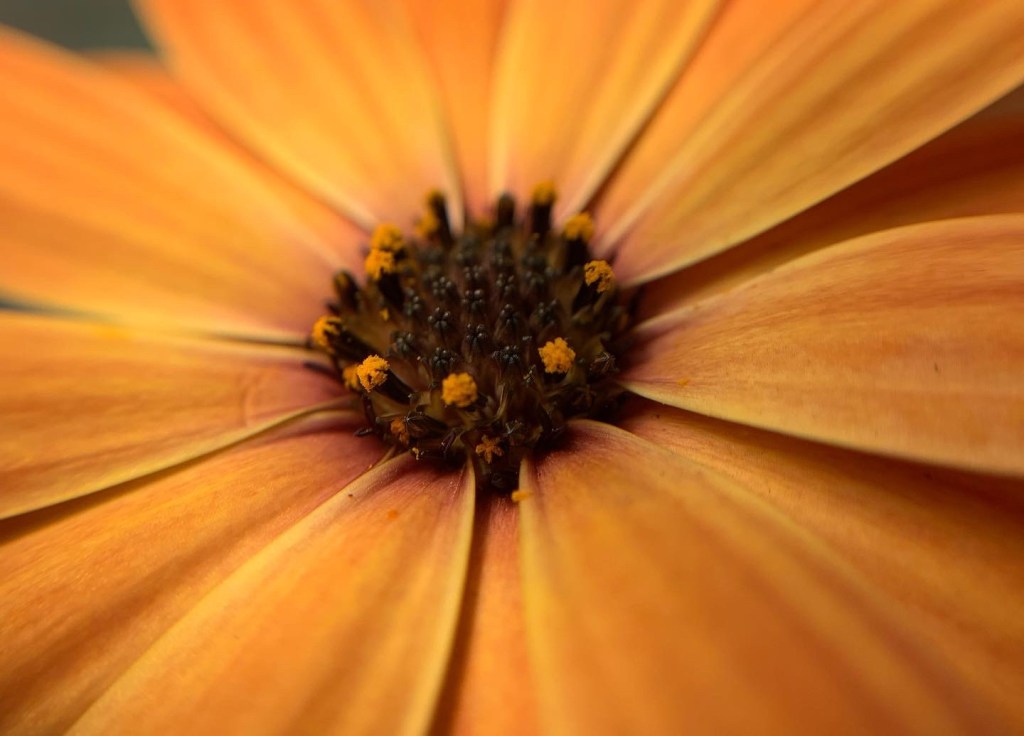
Planting bee attracting flowers in our gardens (some plants seem to have flowers that make bees want to travel for kilometres to get to them) will make the little critters come visiting to collect their pollen to take back to their hives to make their honey (a hugely beneficial side effect for us humans) and thus share a little of the pollen amongst the flowers. If you’re into growing vegetables then the bee pollination service is of the utmost importance to you.
Whilst bees are a major pollinator for our plant population, other critters can perform the same function, and these are just as important as bees. Some of these include species of flies, wasps, beetles, and butterflies. To me this simply means that all our creatures are important and need to be understood a little better (except maybe those nasty head lice. Could we do without them? I think we could…)
Some things that can be done to assist our little bee friends, and other pollinators, are to avoid using insecticides in the garden, plant bee friendly gardens, or even build your own native bee houses. More information about bees can be found at saveourbees.com.au or do a quick Google search to find an organisation nearer to where you live.
Finally, take a look at the Waggle dance on worldbeeday.org, make a video and upload it…go on!
Til next time!
 The Flowerpot Pen