Rose Pruning Time

It’s that time again, rose pruning time. Time to sharpen those secateurs and loppers to cut those rose bushes down to size.

I’ve covered rose pruning in previous posts so I won’t go into it in this post. If I was more clever I would put a link in to connect you to past rose pruning posts. But I’ve yet to learn that particular trick.

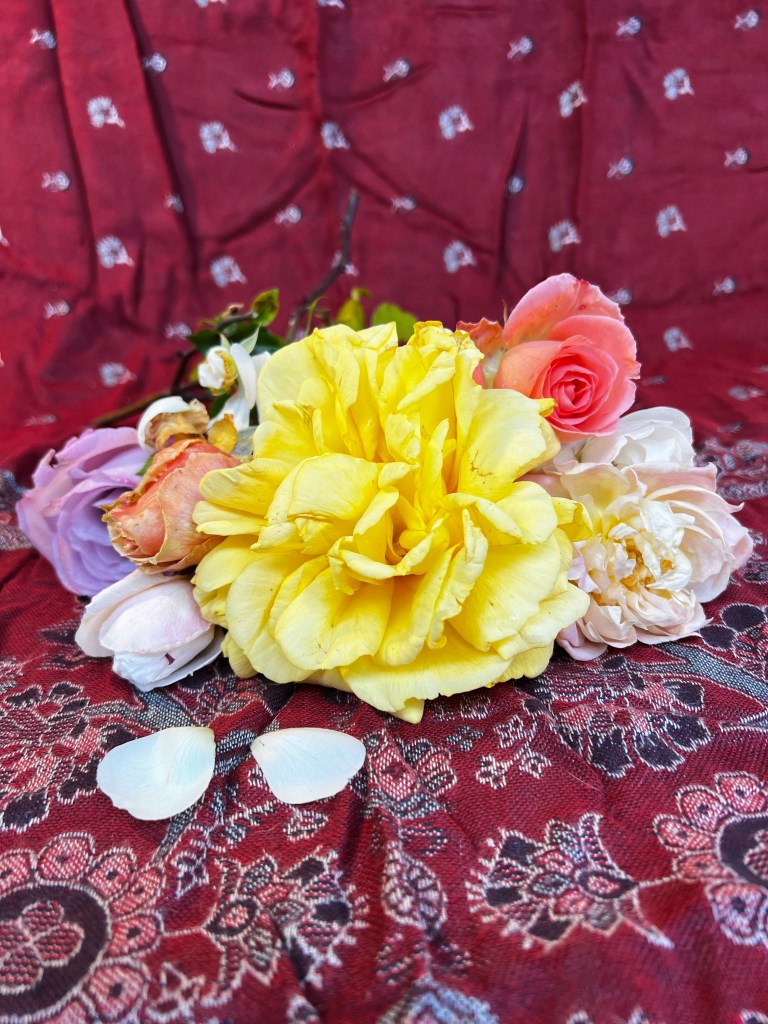
A bunch of different coloured roses
A collection of roses

Instead I’ll just share a few photos of some roses I salvaged from my pruning job today.

It may be a little ridiculous, but when I’m pruning any flowering shrub or other plant and there are still flowers left, I feel a little pang in my heart to see them lying on the ground. I must save them from going to waste!

More roses in a bunch
More roses

So, I prolong their life by photographing them then putting them in a vase to be enjoyed further. It’s a silly little thing, but it makes me feel good, so there’s that.

A lot of Australian natives are flowering too, even in winter time there’s beauty to be found.

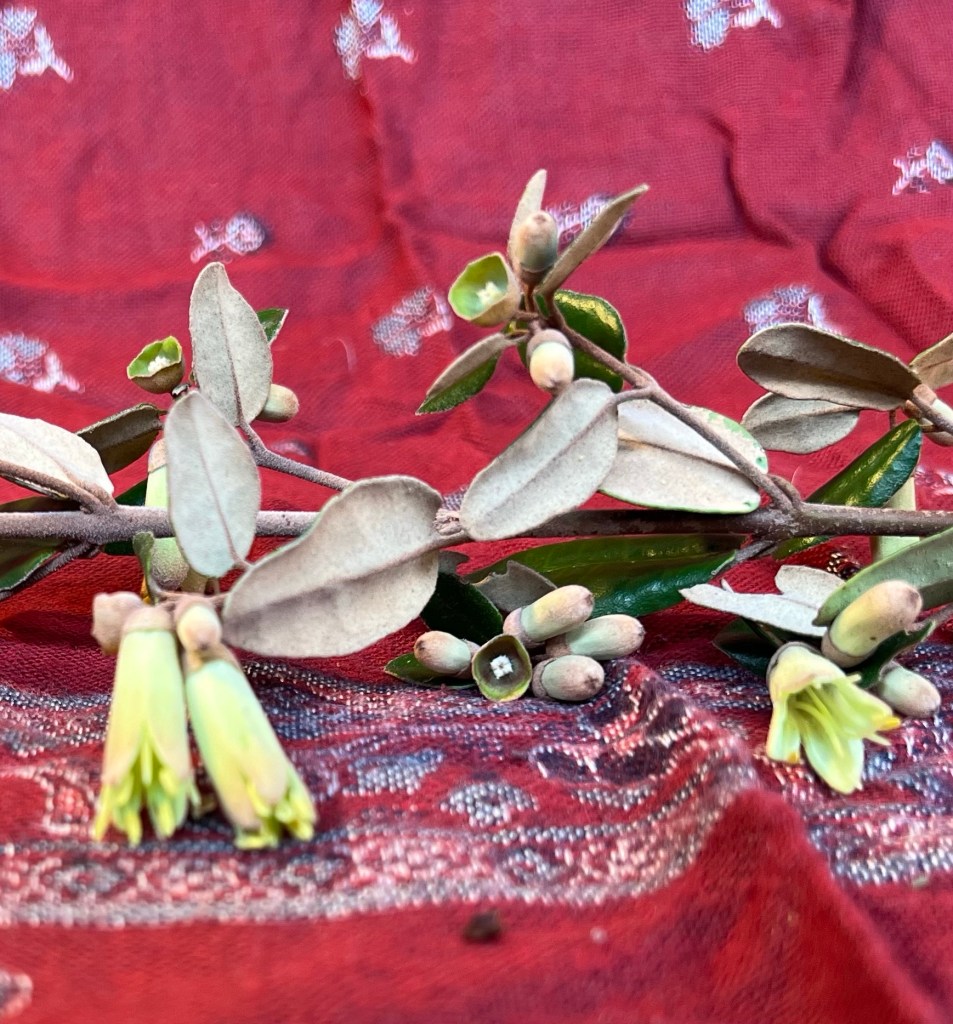
A sprig of a Correa bush
Correa sp.

Til next time!
Cold

It’s been a while since I’ve written anything in this space, a death in the family created a glitch in daily life that will take a while to mend. Meanwhile, it’s got cold here in the Western Districts of Victoria, Australia.

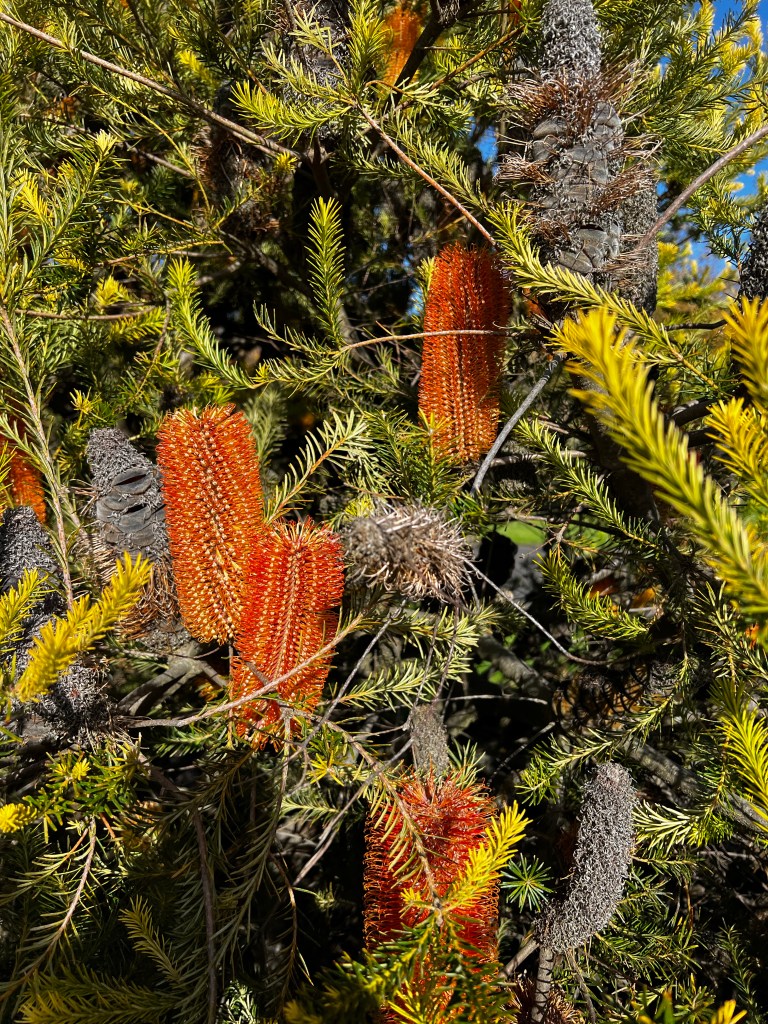
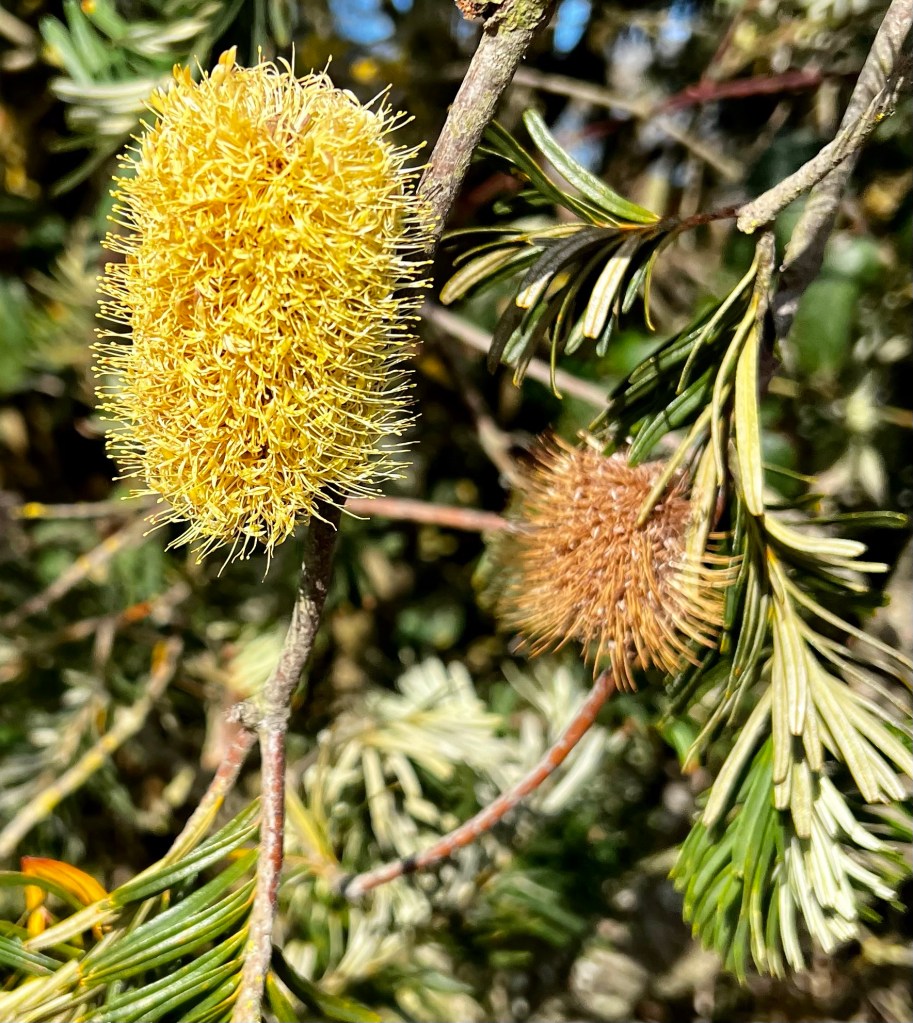
Banksia sp.

We traditionally think of the year as having only four seasons, a hangover from the old days of relying on wisdom from ‘the old country’ whether that’s ye olde England or somewhere else on the European continent.

The First Nations people of Australia knew better for this land so they recognised more seasons than four. Over the years I’ve heard differences between five seasons and thirteen seasons, I’ve yet to delve further into that.

Anyway, the way I see it is there are twelve seasons: early/mid/late summer, early/mid/late autumn, early/mid/late winter, and early/mid/late spring. Although here in Victoria we tend to have cold weather, then horribly hot weather; the seasons blend into and cross over each other.

Banksia sp.

Which ever way you look at it we’re in a cold, wet, mid winter season now.

Luckily for us we don’t get snow and we experience very little frost so there’s always something in flower. Right now I’m noticing an abundance of glorious Banksia sp. and Callistemon sp.

Callistemon sp.

I’m battening down the hatches at the moment, hunkering down to ride out a bumpy time so my garden hasn’t seen much action lately. Deciduous shrubs have been taking a long time to drop their leaves so I haven’t even thought about pruning yet.

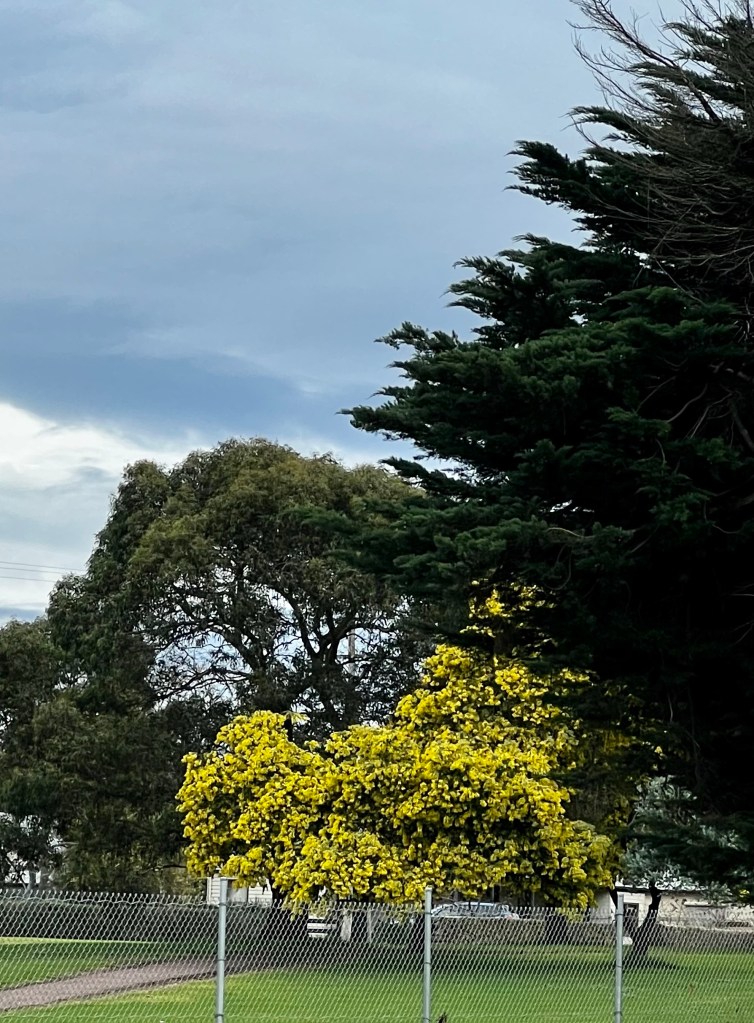
The most wonderful sight for me though, is the brilliant yellow of Acacia sp. as they put on their mid/late winter show to remind us brighter days are just around the corner.

Acacia sp.
A glorious Acacia

Til next time!
World Bee Day

It’s World Bee Day today! May 20. Yay for bees! Without bees our world would be much more fragile and food would be harder to grow!

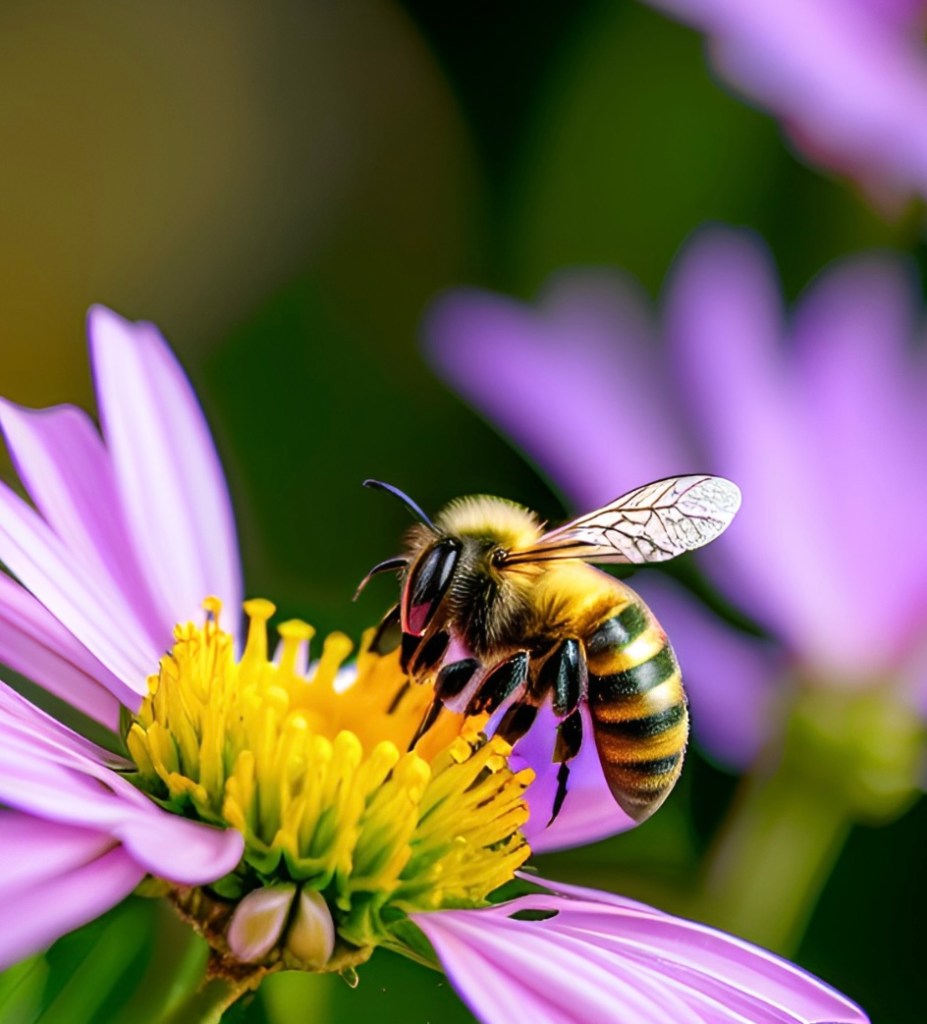
AI image of a bee on a flower
Bee on a flower

If nothing else, take a moment to reflect on how important these tiny critters are, and think about ways we can support them in our gardens

Flowers attract bees

Planting flowers and putting out very shallow trays of water with pebbles in it on extreme heat days are just two ways to support them. There is a huge amount of information available on the internet if you want to find out more.

Til next time!
Happy Mother’s Day

It’s Mother’s Day here in Australia and New Zealand! Wishing all the mums, Grandmums, Aunties, Dads being Mum too, and anyone else who is ‘Mum’ a very special day.

Purple chrysanthemum flower
Chrysanthemum

I’m not sure when Chrysanthemums became ‘the’ Mother’s Day flower, but it does a spectacular job and is flowering quite prolifically here at just the right time. There’s also the ‘mum’ in its name so all In all it’s a pretty good choice.

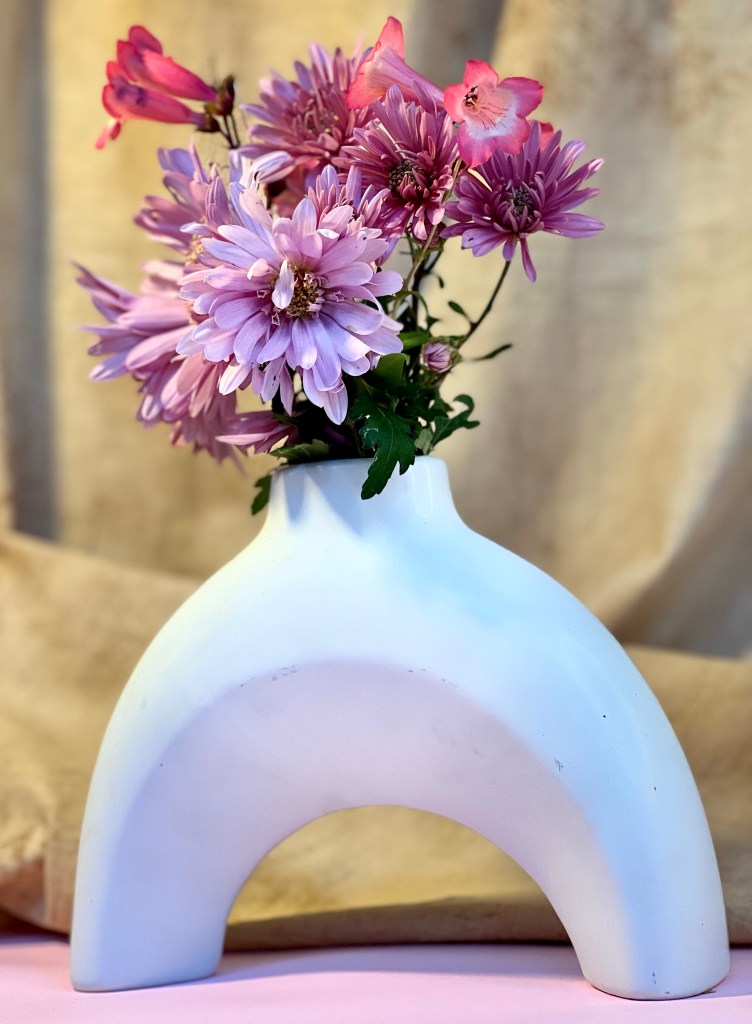
Pink chrysanthemum in a white vase
Chrysanthemum in a vase

They’re very easy to display in a vase, I pretty much just plonk them in and shove a few things around them (the lazy florist method) and generally get a good show. They also photograph very well.

pink flowers in white vase
Chrysanthemum in another white vase

So if you’ve got some ‘mums’ in the garden, go out and grab yourself some to enjoy inside.

Happy Mother’s Day!

Til next time!

Late Roses

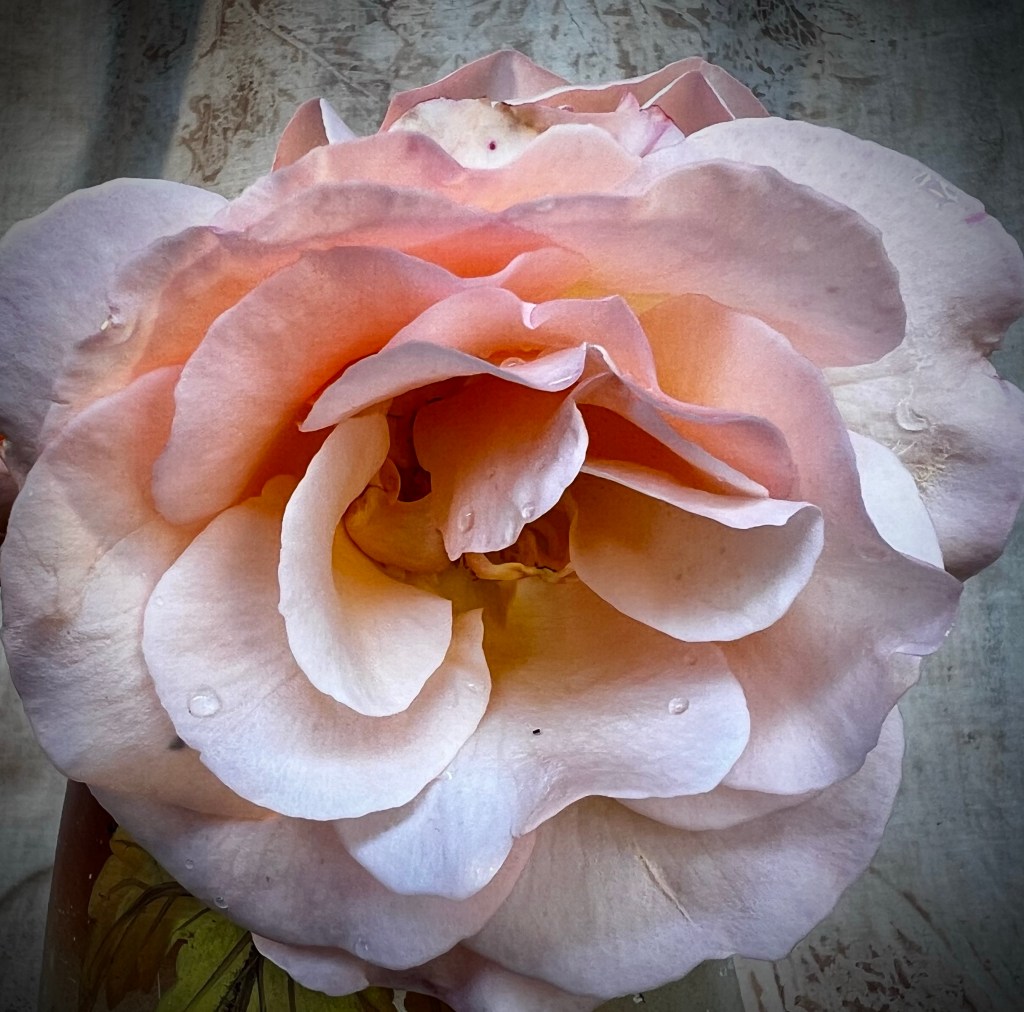
These late roses caught my eye. They were just crying out to be photographed, so here they are in all their sublime beauty.

Pale rose in a vase
Late roses

In other news, my business building journey is getting its legs, I had a real life design job to start. A garden focused on sustainability and becoming self sufficient as far as possible, with regard to being accessible as the client becomes older.

To this end, raised garden beds to 830mm high have been chosen, the client has a good knowledge of how to fill a raised bed so I’m happy with their choice.

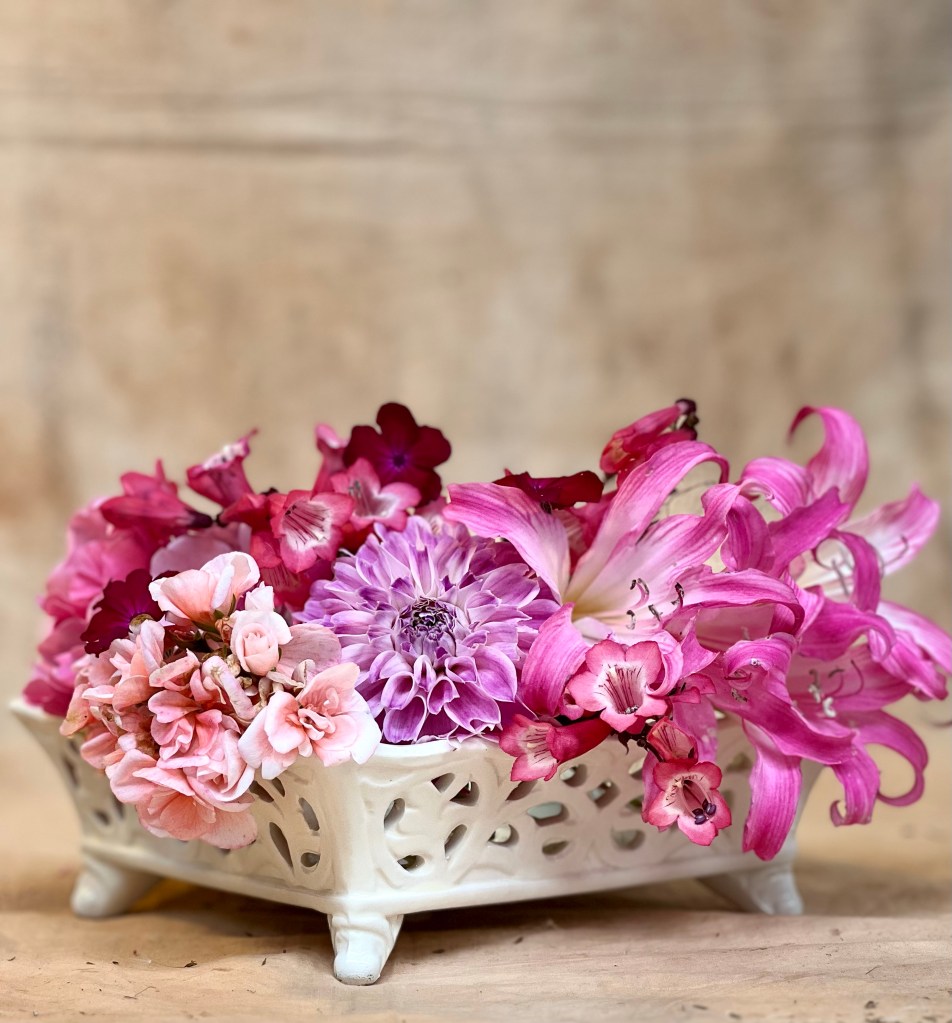
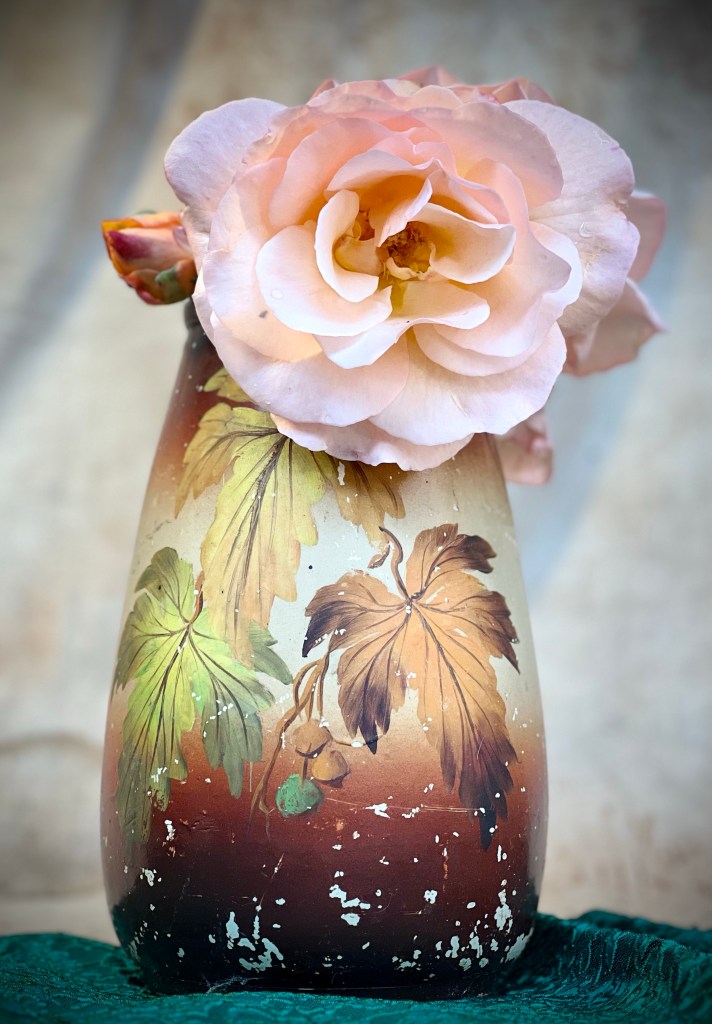
Late roses and Daisies in a vintage vase
Late roses and Daisies

When filling up a raised bed the best steps are as follows: lay a base of cardboard then add layers of dried matter for carbon, a little green matter for nitrogen, a layer of not too thick sticks to allow a bit of air (these will eventually break down), layers of manure (whichever is handy. I prefer sheep and cow manure because they’re easily handled and aren’t full of grass seed like horse manure), finally some soil and/or well decomposed compost.

Layer all these things according to what you have. The contents will all break down over time so add layers as required to keep the levels where you want them and where it’s not too hard on your back to reach.

So things are happening! Watch this space! Here’s some more photos to keep you occupied til next time 👍🏻

Rose in a vintage vase
Late roses
Correa reflexa

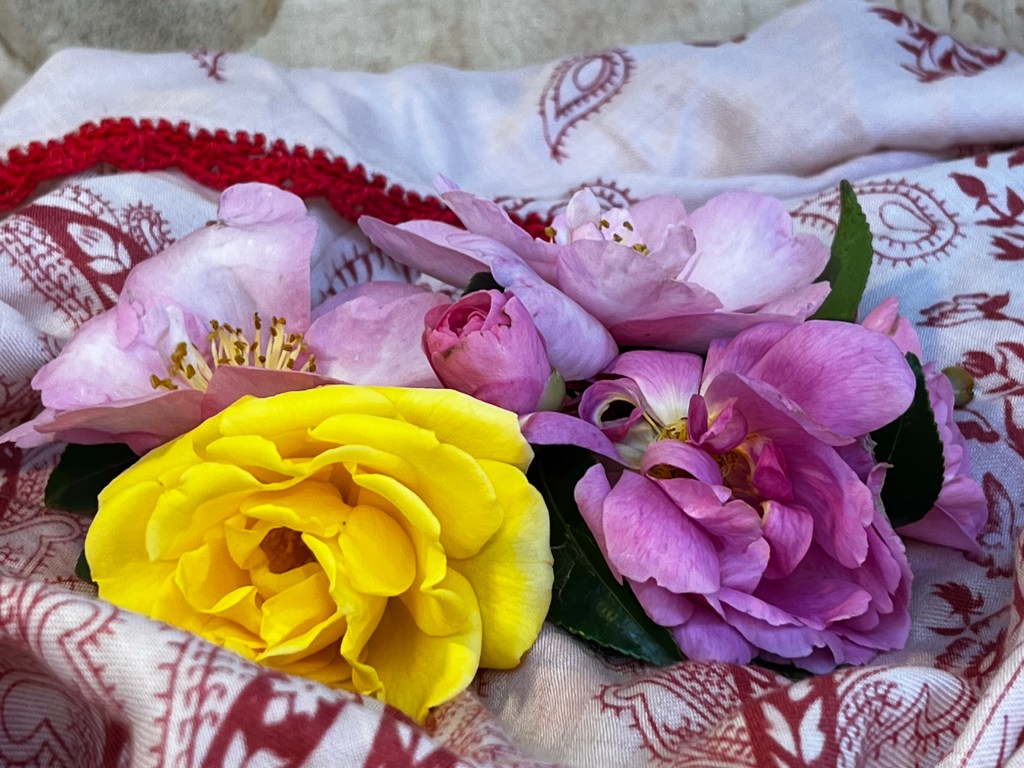
Early Camellias and Late Roses

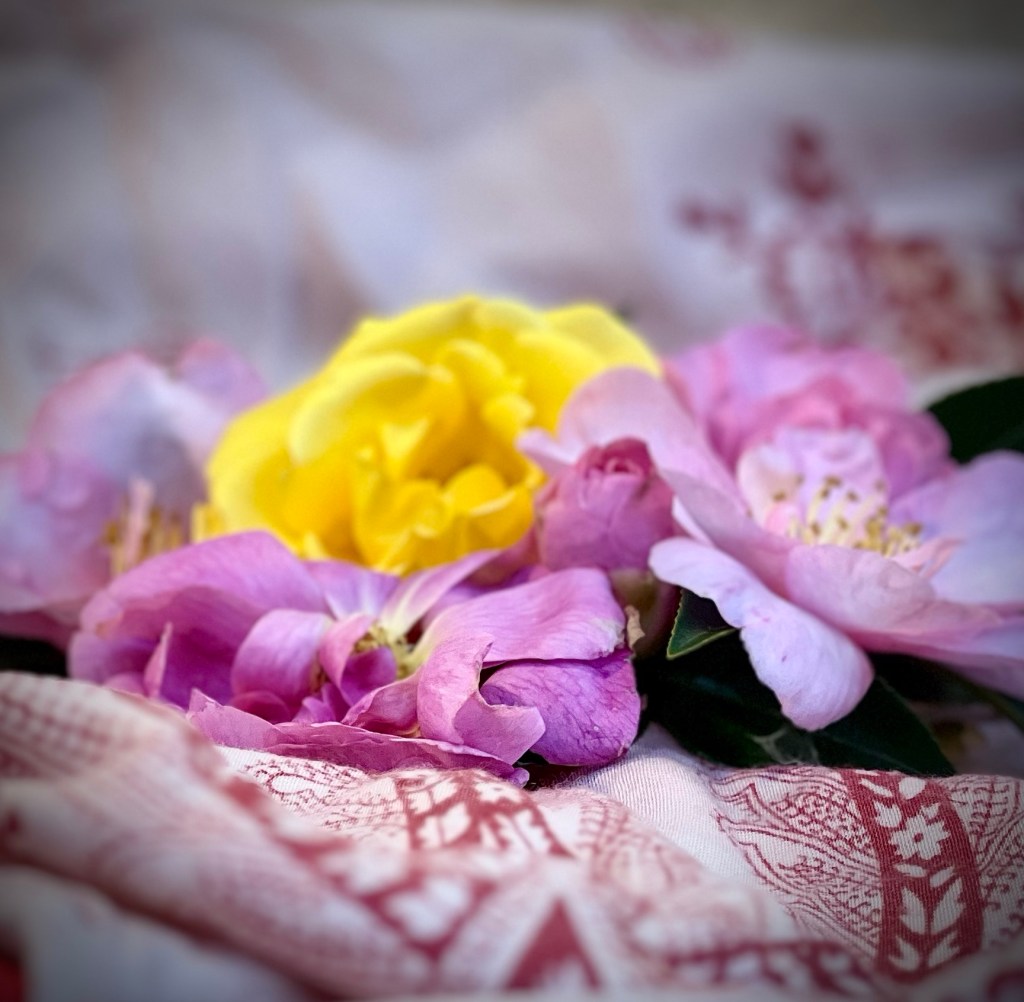
The crossover of seasons sometimes makes for gorgeous, timeless floral combinations such as early camellias and late roses.

Pink and yellow roses with pink camellias
John Clare, Gold Bunny, unknown camellia

Picking flowers to take photos of them has become one of my favourite activities, I’m slowly learning techniques for styling shots to create a beautiful image seemingly from nowhere; sometimes I fluke a really nice shot.

A collection of flowers nestled in a shawl

We’ve had some perfect autumn days lately but we’re heading in to some more cold, wet weather. Just for something different.

A working bee with friends last weekend has seen my garden whipped into a bit better shape than it was but there’s still a way to go.

Some Hawthorn saplings (a weed tree in my area) were cut and poisoned, this needs to be done very quickly so the wounds don’t start sealing off before the poison is applied. This is called the ‘cut and paint’ method and works effectively on woody weeds like tree saplings.

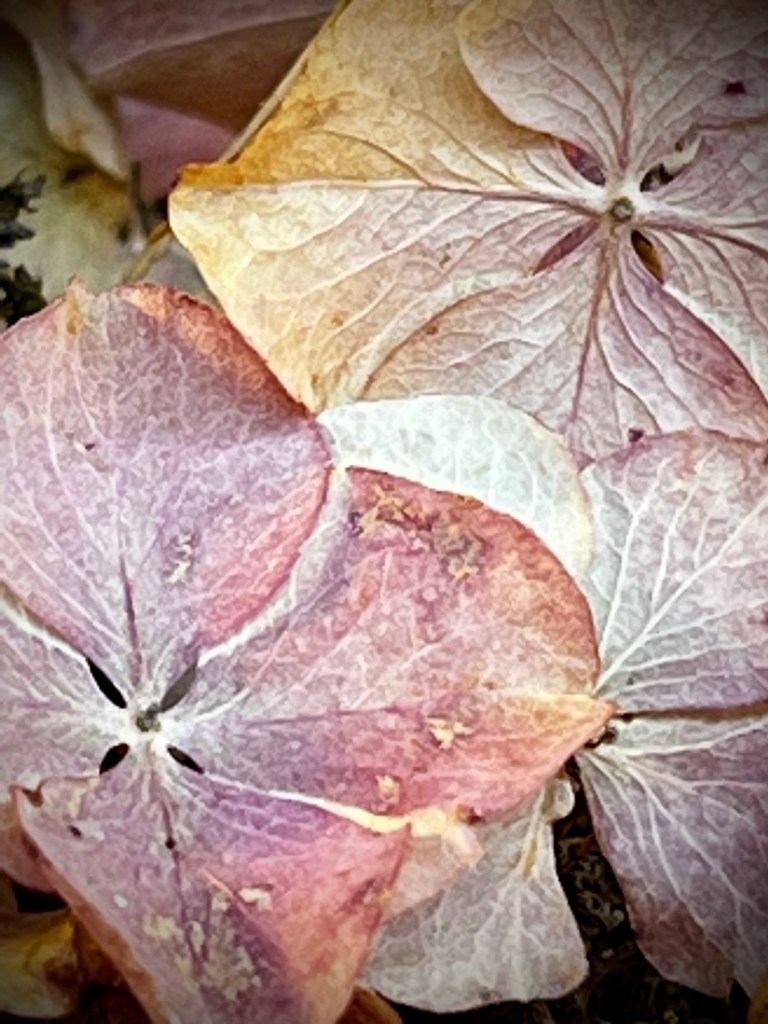
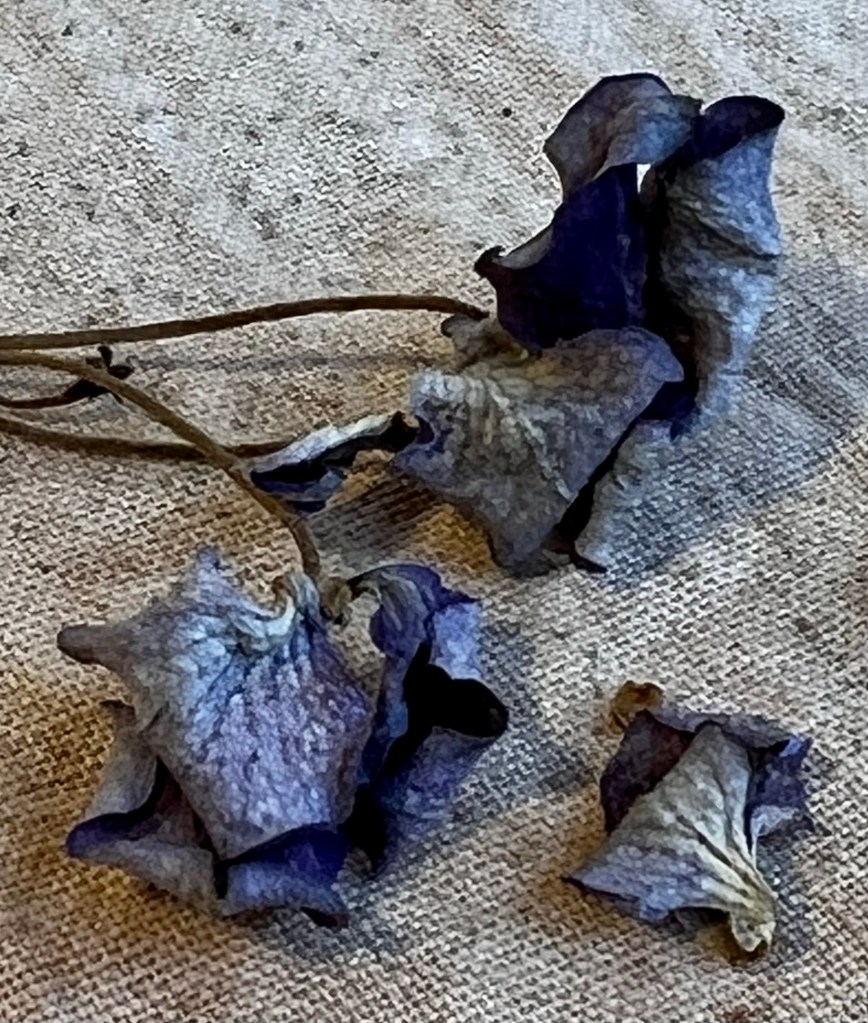
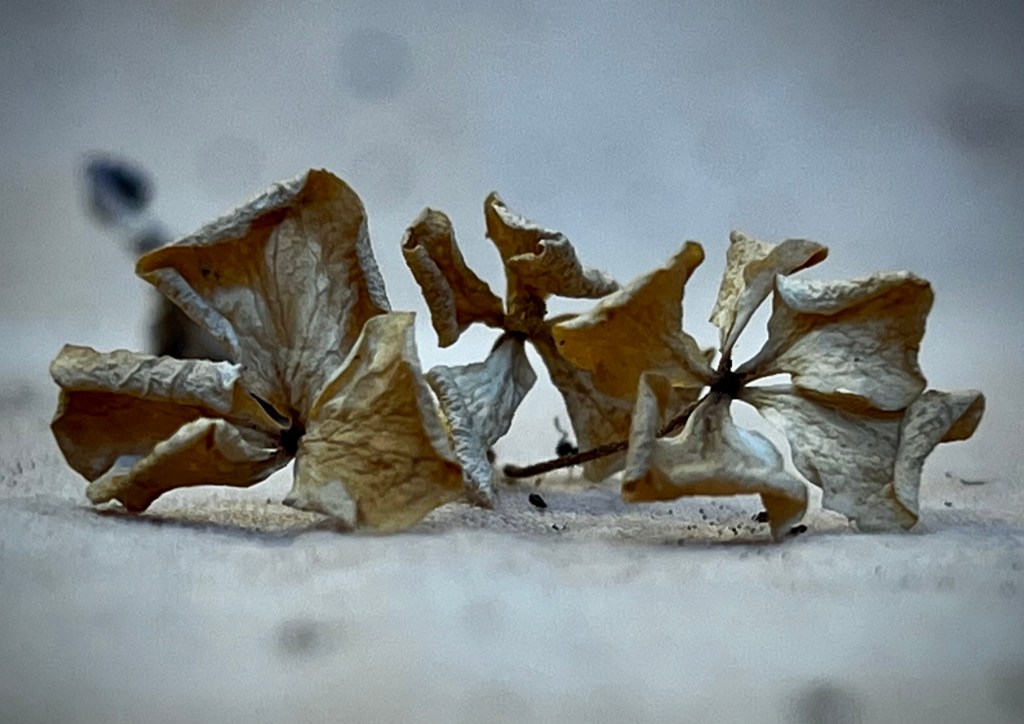
I’ve been drying some Hydrangea flowers to feed my flower photography habit. I hope you like the pictures.

Til next time!

Dried hydrangea flowers
Hydrangea quercifolia
Dried petals of H. Macrophylla
H. Macrophylla
Dried petals H. Macrophylla
H. Macrophylla

Dahlia dreams come true

I’ve been jealously watching displays of delicious Dahlias over the last couple of months, wondering if my Dahlia dreams would come true. Well they finally have.

I put my Dahlia tubers in late last year so their growth has been quite a way behind many other people’s. Even the ones I hadn’t lifted were taking ages to develop.

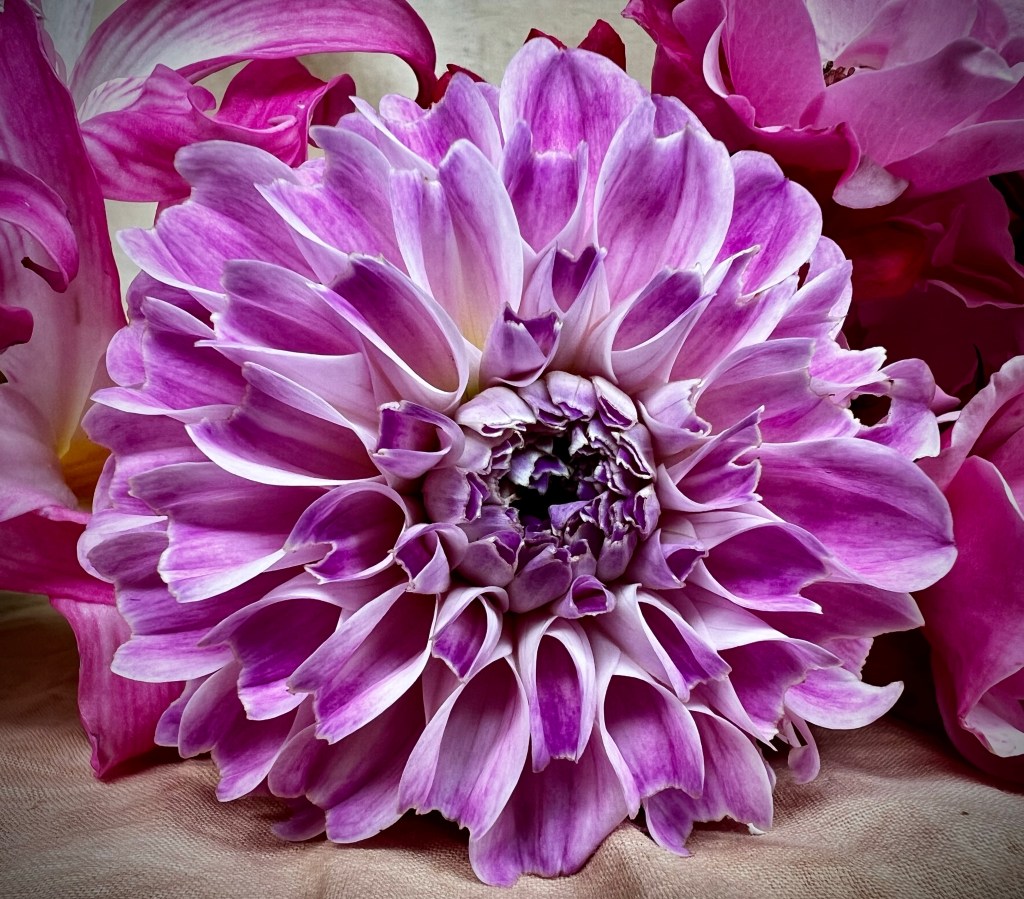
Lilac coloured Pom Pom style Dahlia flower
My old standard Dahlia

This lilac coloured beauty is one that flowers regularly in my garden, it never fails to impress me with its presence. The blooms are a bit smaller this year, but that’s only because I haven’t lifted them or even fed them.

I’ve been laid up with Covid for the last week so it was nice to get out in to the garden to pick some flowers. The combination of colours is sublime in this bunch. They’re a little faded and battered, but still beautiful.

A bunch of pink and lilac flowers
Pink and lilac colours

The bright orange of these Leonotis flowers give a vibrancy in the garden on these days that can be so grey and miserable too. The gorgeous vase, a gift from a friend, warms my heart.

Orange Leonotis flowers in a vintage vase
Leonotis in a vintage vase

I’m hoping to be well enough over Easter to get some heavy pruning of trees and shrubs done, watch this space.

Til next time!

Yes, it is Autumn!

Any doubts about it being Autumn have been thrown out the window. Cool, misty mornings and a promise of the end to daylight savings are proof positive it is, indeed, Autumn.

Belladonna Lily aka Naked Lady
Proof of Autumn.

These beauties have been popping up in the wild all over the place as well. There are quite a few different colours, one day I’ll make a photographic study of the local varieties, they’re extremely photogenic!

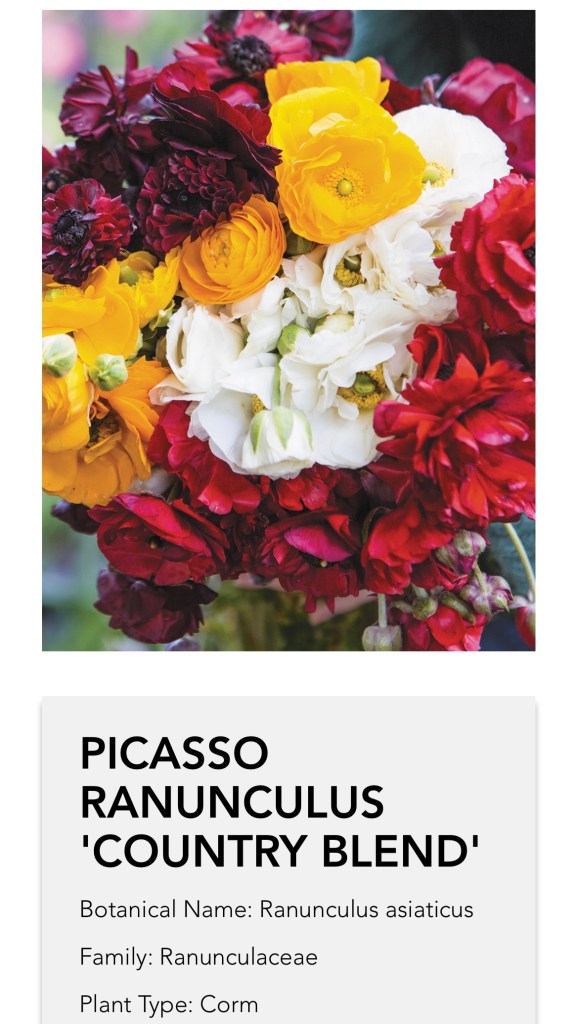
In my garden I’ve put in some Ranunculus corms. Some people say it’s best to soak them for an hour before planting, others say not to bother. I just went ahead and put them in without soaking them as that sounded like too much of a bother; I’d probably forget them and end up with soggy blobs that wouldn’t grow anyway. Nobody could say my gardening style was exact!

Image of ranunculus including botanic information
My choice from a catalogue.

I went with this collection from a catalogue I receive regularly, it’s from a large commercial grower which I usually tend to avoid (buy local, grow local!) but sometimes the images make things hard to resist. I can’t wait to see what I get .

I also put in some Freesias as well; only a couple, which I swapped some ranunculus corms for with my sister. I love the scent of Freesias so they’re always lovely to have in the garden.

If you’re after scent in the garden you can’t really go past Sweet Peas (Lathyrus odoratus). These climbing annuals are traditionally planted on St Patrick’s Day in my locality but any time in early Autumn is good. If you’ve had them growing there’s a good chance you’ll get some seedlings popping up of their own accord anyway.

My Therapeutic Horticulture journey took a big stride this week. A program started by a combination of local councils is providing me with a bit of business nouse, which will be the building blocks for a new direction in my working life.

A shift in focus to providing the means for gardening to be accessible to everybody, promoting the wellness benefits of being connected to nature, and sharing my passion for plants and the beauty of the natural world is my aim. Keep watching this space!

Til next time!
Season’s end

The days are getting cooler, mornings are darker too. I’m sure we’ll have some more nice days but it looks like we’ve reached season’s end.

I actually love it when there’s a transition, the garden seasons remind us that there is always change; change can be what we make it.

Leaving aside the metaphorical aspects of seasons changing for the moment, in relation to the journey our lives take, these changes lead our minds in to the future. Forward planning is a huge part of gardening whether we realise it or not.

Choosing not to prune or to prune drastically, even choosing whether or not to lift your Dahlia tubers after they’ve died down, all have effects on how your garden looks.

My garden chores in the next few weeks are to keep deadheading roses, get the summer grasses out of the beds, plant the ranunculus and Freesia bulbs I got in the mail the other day, and lightly trim any shrubs that are near the end of flowering to keep them under control. I’ve got some major pruning to do but I can do that later in the year.

I’ve spent some time on a favourite activity, photographing flowers and expanding my creative experimentations; the older H. quercifolia flowers I pruned off have made lovely subjects.

Hydrangea flowers peeking over the top of a dark bowl.
Hydrangea quercifolia
Cup and teapot with hydrangea flowers
Still life with Hydrangea flowers

Getting back to the metaphorical, seasons in the garden can be related to seasons in life, they’re always changing so we adjust to them. We can go with the changes wholeheartedly and grab them with both hands or we can sit back and just watch them roll by. Chance can lead us down paths and a chance email has lead me down the path of putting half held ideas into the foreground. As a result I’m starting a business course next week which will lead me to create a business focusing on bringing the joy of plants and gardens to people. Onwards and upwards,

Til next time!

Melbourne Botanic Garden

This weekend I was pleased to be able to go back to Melbourne Botanic Garden, a place I hadn’t been to in around 30 years!

The gardens were begun way back in 1846 at this location; there is another more modern garden at another site in Cranbourne, which is managed by the same administration, but this site holds great historical importance for the city of Melbourne.

The gardens are home to a Herbarium, an observatory, and a great many other historic interests. It has kept up with the times so a lot of contemporary needs are satisfied with areas such as a children’s garden, a sensory garden, and an upgraded Fern Walk.

Herbarium at Melbourne Botanic Gardens
The Herbarium.

The weather was a warmish 28C but the air was still, and there are a lot of shaded spaces. Some of the trees are amazing specimens that have reached their expected heights. Very impressive!

Bark features

Some of the trees in the gardens have been there since the beginning although some do show the test of time. One tree in particular, the White Oak, came to the end of its lifespan recently and fell down. Instead of cutting it up and removing it, it was decided that it’s remains should be incorporated into the garden as a design feature.

A section of fallen tree at Melbourne Botanic Gardens.
Part of the White Oak.

Modern technology has been utilised well in the garden with QR coded signs providing links to online information. This could be something that can be utilised at Terang Community Park and Wetlands, something to work on in the near future.

Til next time!