Wetlands project

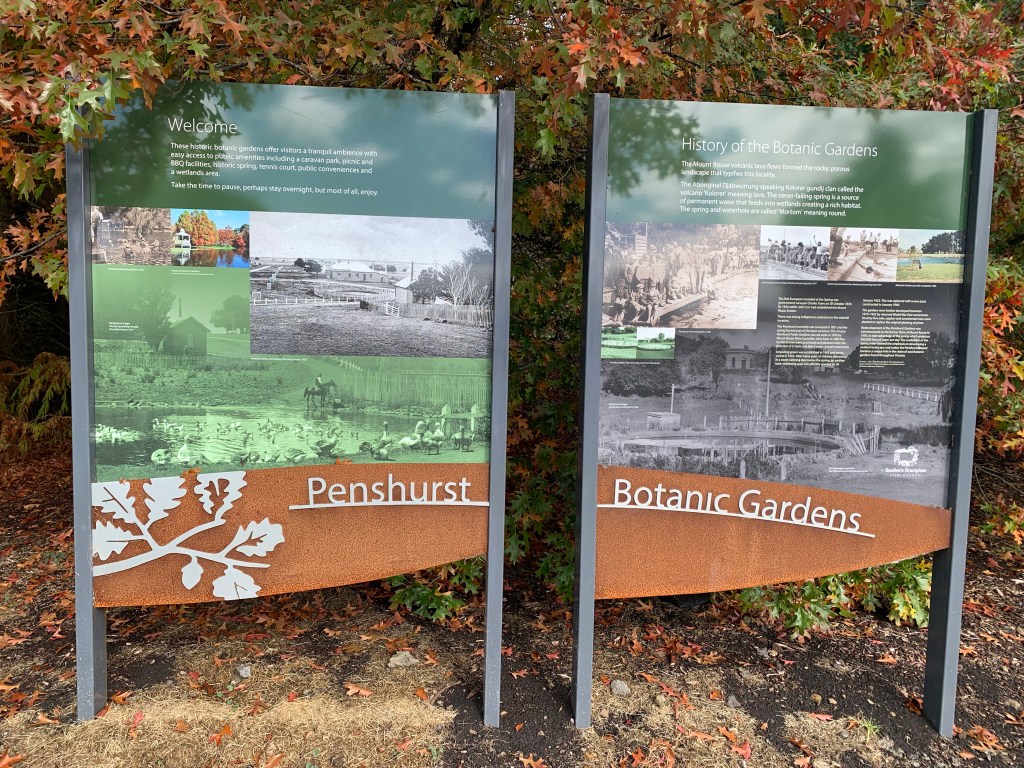
For the last few years I’ve been involved in a project to create a new park and wetlands area in the nearby town of Terang, VIC, Australia.

It’s been an exciting journey which is starting to show signs of coming to fruition. Don’t get me wrong, it’s an ongoing project with no set end date, but things are definitely taking shape!

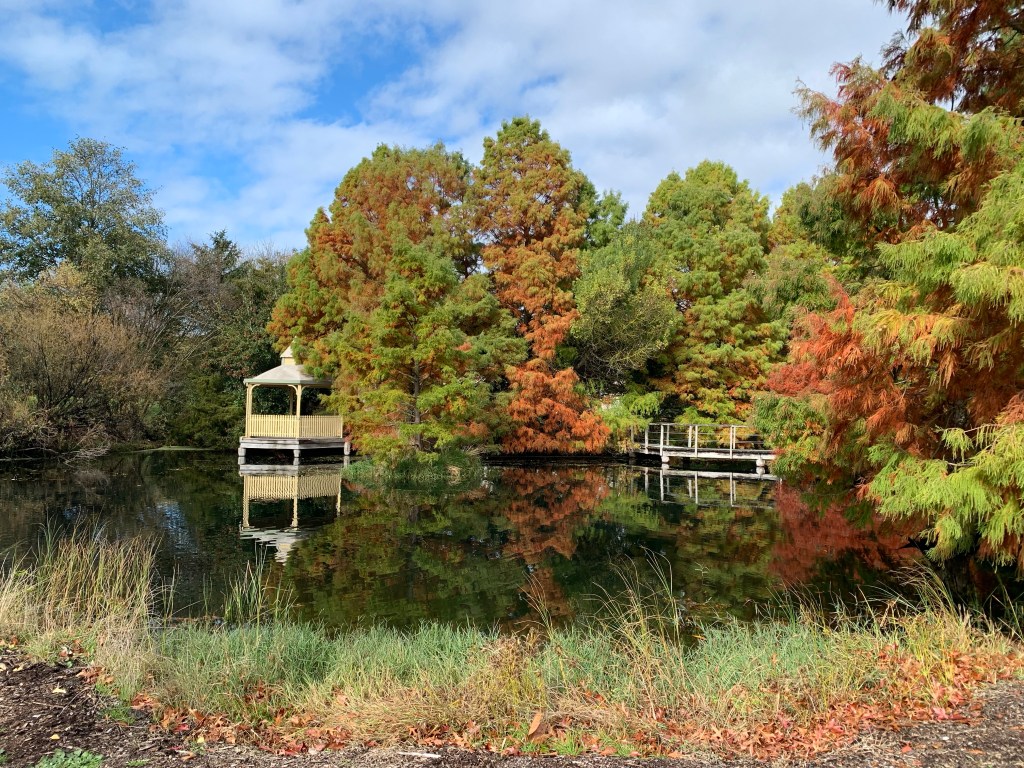
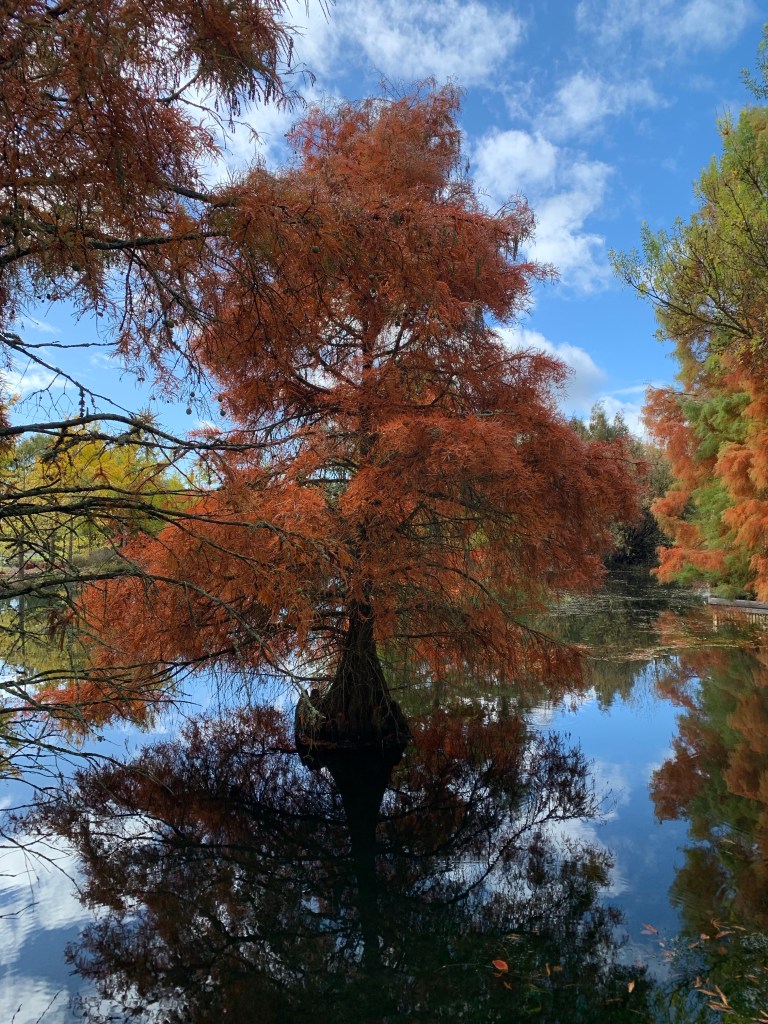
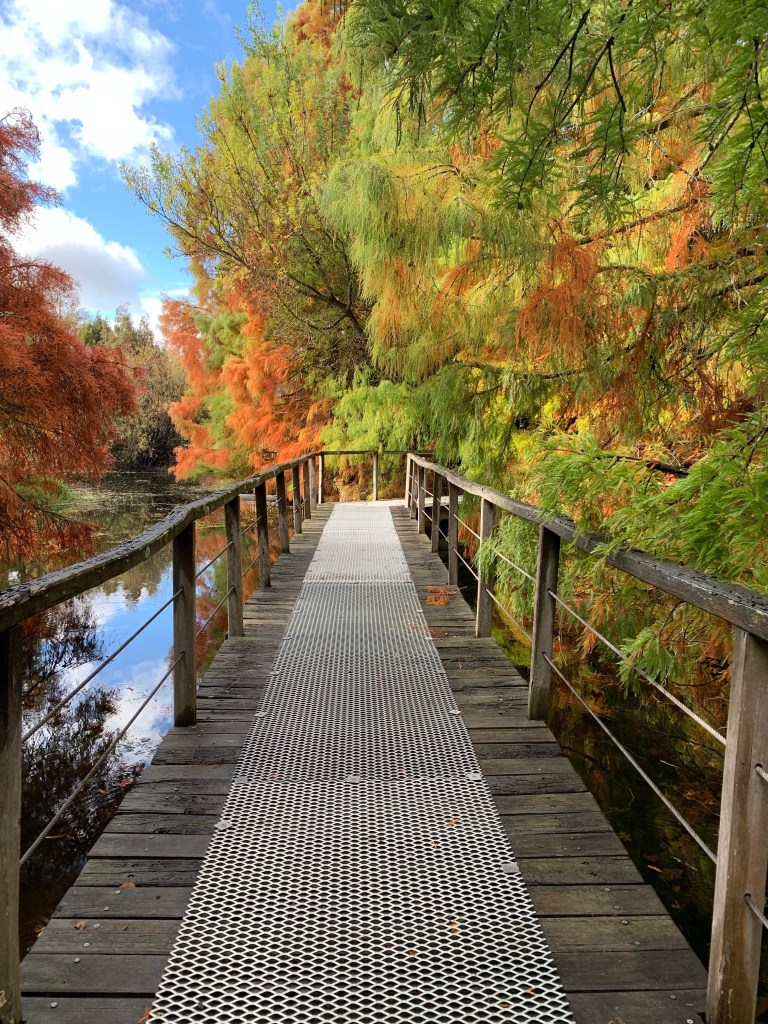
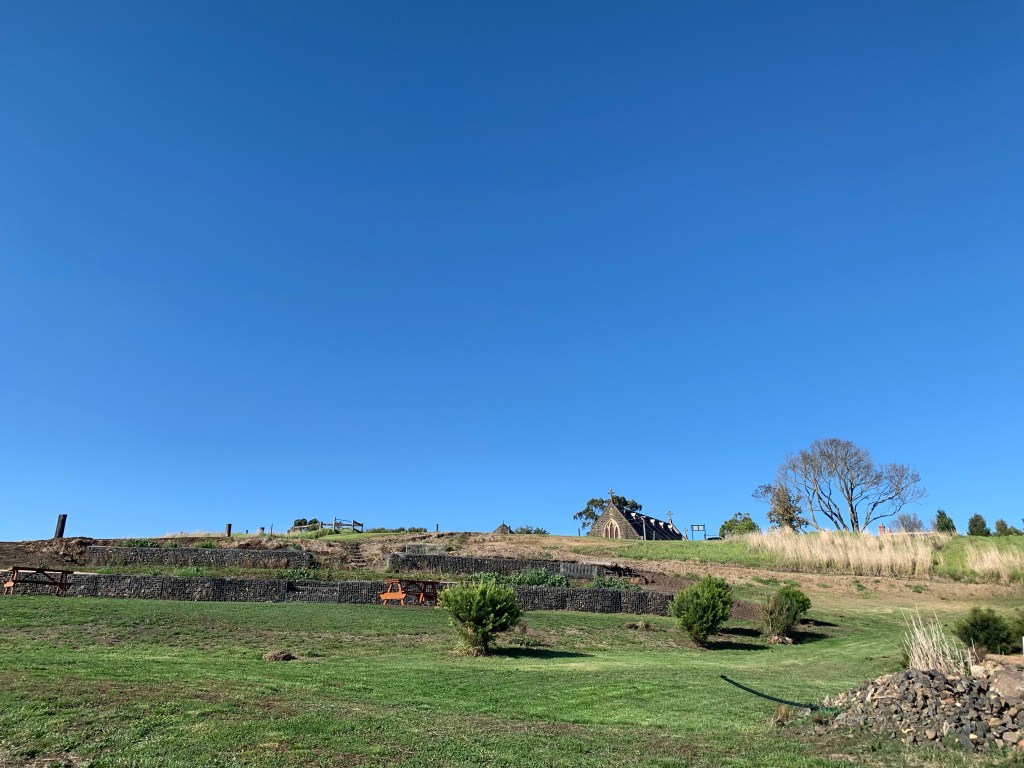
What started out (in recent years anyway) as a cow paddock in a drained volcanic lake is starting to look like a park and wetlands with established trees, functioning wetland ponds (ephemeral waters supporting wildlife), picnic spots, and historical context.

Wetlands area

The plantings we’ve done in the wetlands area have had variable success rates, varying between amazing, explosive growth and no growth leading to death… 😳. Most of the exotic trees planted in the park section have grown very well, so that’s positive.

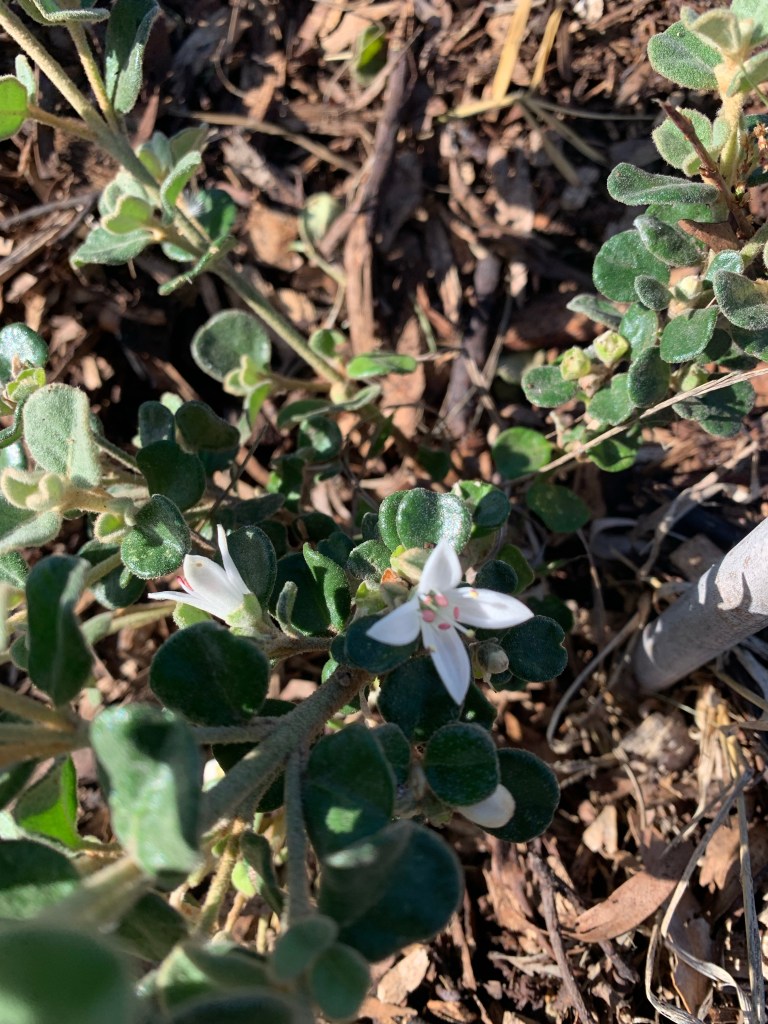
Correa alba, Newly planted and flowering

There’s still a lot of work to be done but that’s to be expected with such an ambitious project. Our small group of volunteers can expect to be kept busy for at least the next 20 years!

In the future we would like to see more development such as a sensory walk, an outdoor function space, a bird hide, art installations and so much more. An Augmented Reality walk is my latest idea for the Wishlist!

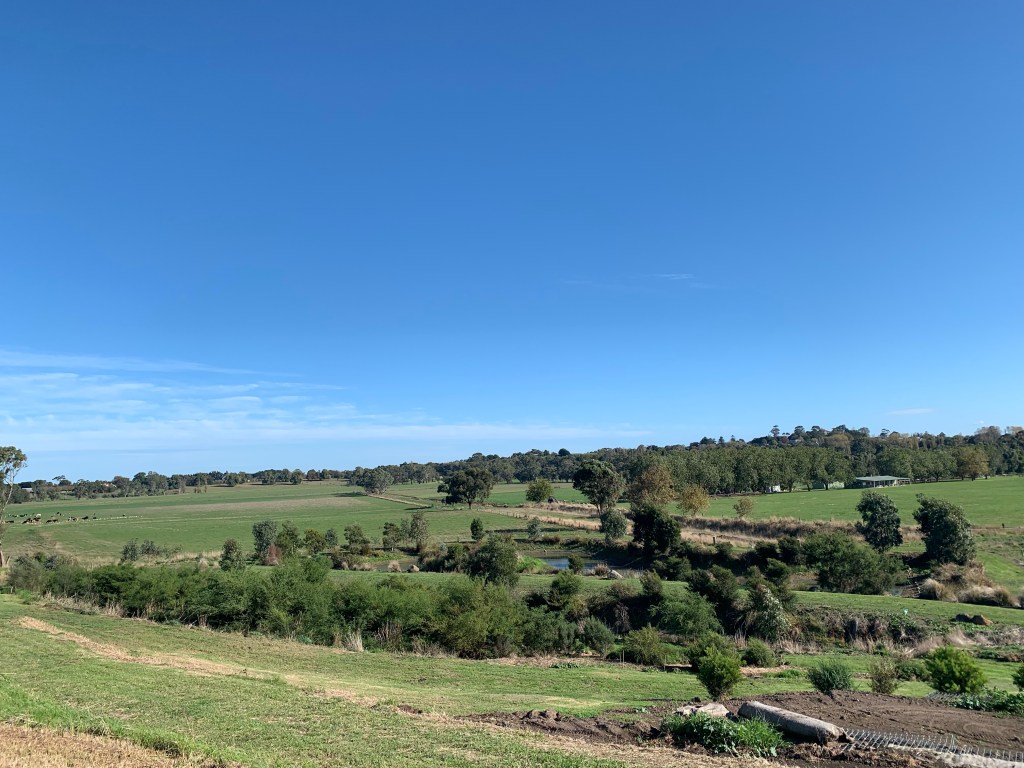
The terraced picnic area with ongoing earthworks

This is a project that’s close to my heart, a space where the Terang community can come to connect with nature, and an asset to the town to attract visitors. Watch this space!

Til next time!

ANZAC Day

It’s a holiday here in Australia and New Zealand today. We are celebrating ANZAC Day.

Sometimes I think what the acronym means is forgotten. For my overseas friends and followers who don’t know anyway, it stands for Australia New Zealand Army Corp and it was coined in World War 1 after the tragic and very failed Gallipoli Campaign.

Today is a day where traditionally dawn services are held to commemorate our fallen soldiers in all the wars out countries have been involved in. New Zealand and Australia have a very close bond and have worked together many times. Many families in both countries have had family members in both forces, I know mine does.

Anyway, it’s a special day which can be quite emotional for some. I haven’t been to an ANZAC day service for for quite a few years now as the emotion is too great, but I always reflect on what war is and determine to stand up against it wherever I can.

It’s a beautiful day today, here in Victoria. The sun is shining and it’s not too cold, not too hot. Just right. I’ve been able to get in to my own garden and start a bit of maintenance I’ve been putting off. Procrastination is my biggest fault. When I can be bothered…

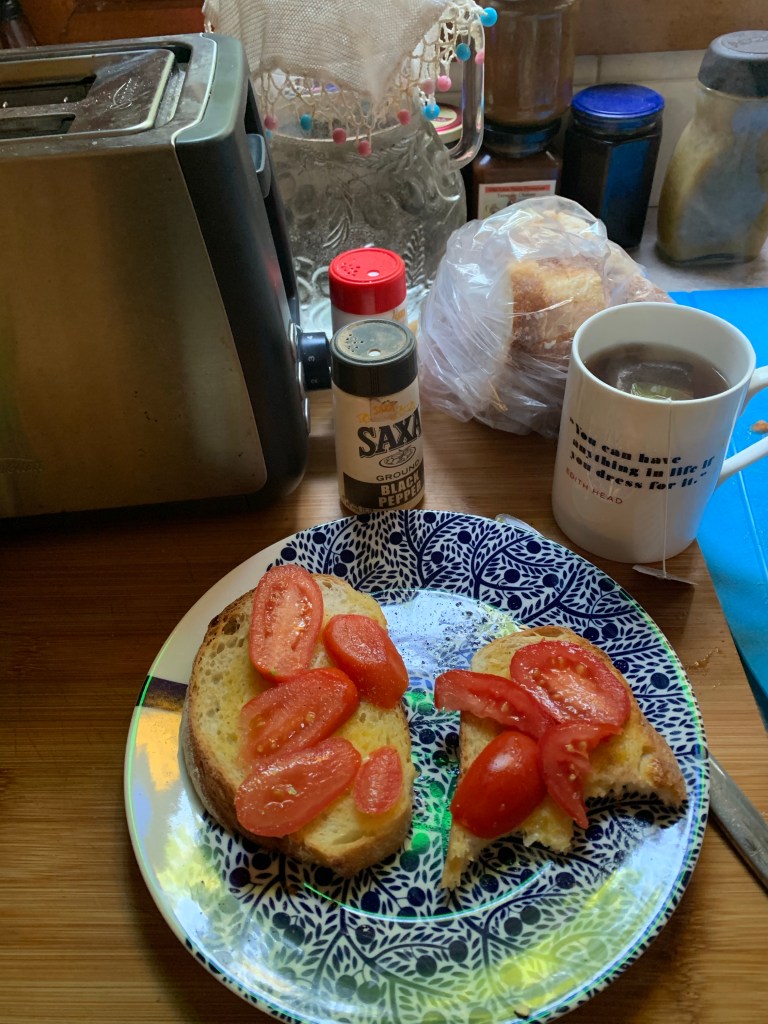
I found some tomatoes in the vege patch that have ripened, there’s quite a few more green ones to go so we’ll see if the warmish weather helps them along. I have had some on toast for brunch. You can’t beat the taste of fresh picked tomatoes, that’s for sure!

I’ve also started to cut out some Hawthorn saplings that have sprung up (they’re weedy in these parts). I’ve lopped them near the base and painted the stems with glyphosate. That should stop them growing again.

I put a couple of peach tree saplings in the back corner of the garden, I was going to dig them up and give them away, but as usual that didn’t happen. I might leave them there because they’ve kept the weeds down and there’s always more seedlings popping up to share about.

Anyway, if you’re on holiday today, I hope you have a peaceful day.

Til next time!

A book review

I’m on holiday in the big smoke at the moment (Melbourne, VIC, Australia) and when I’m on holiday it’s become a bit of a habit to get myself a new book. Because, you know, you can never have enough books…

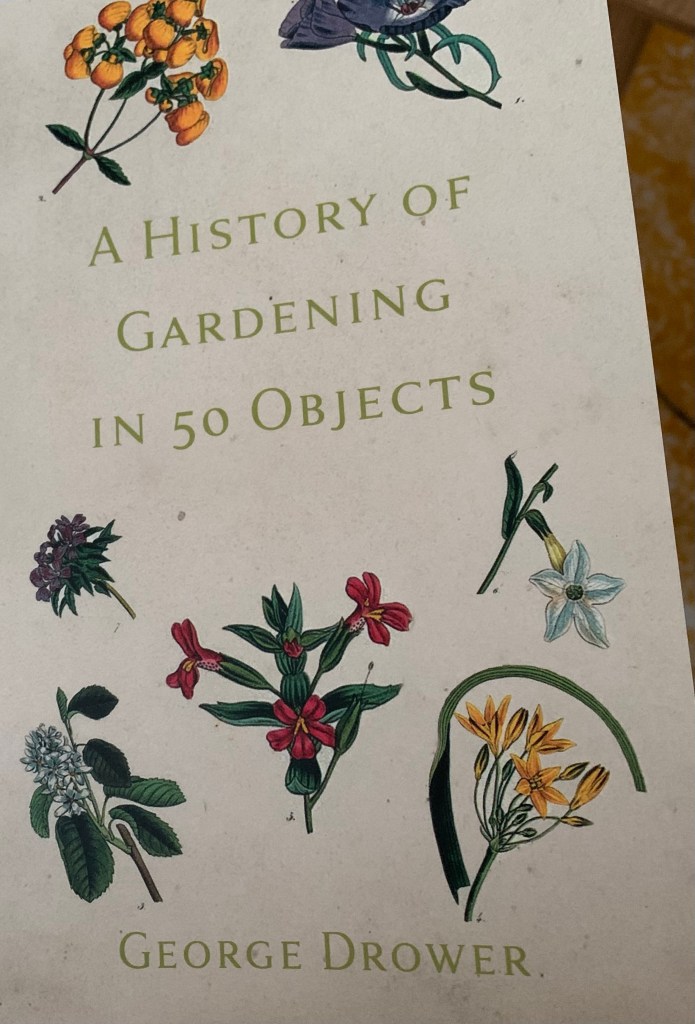
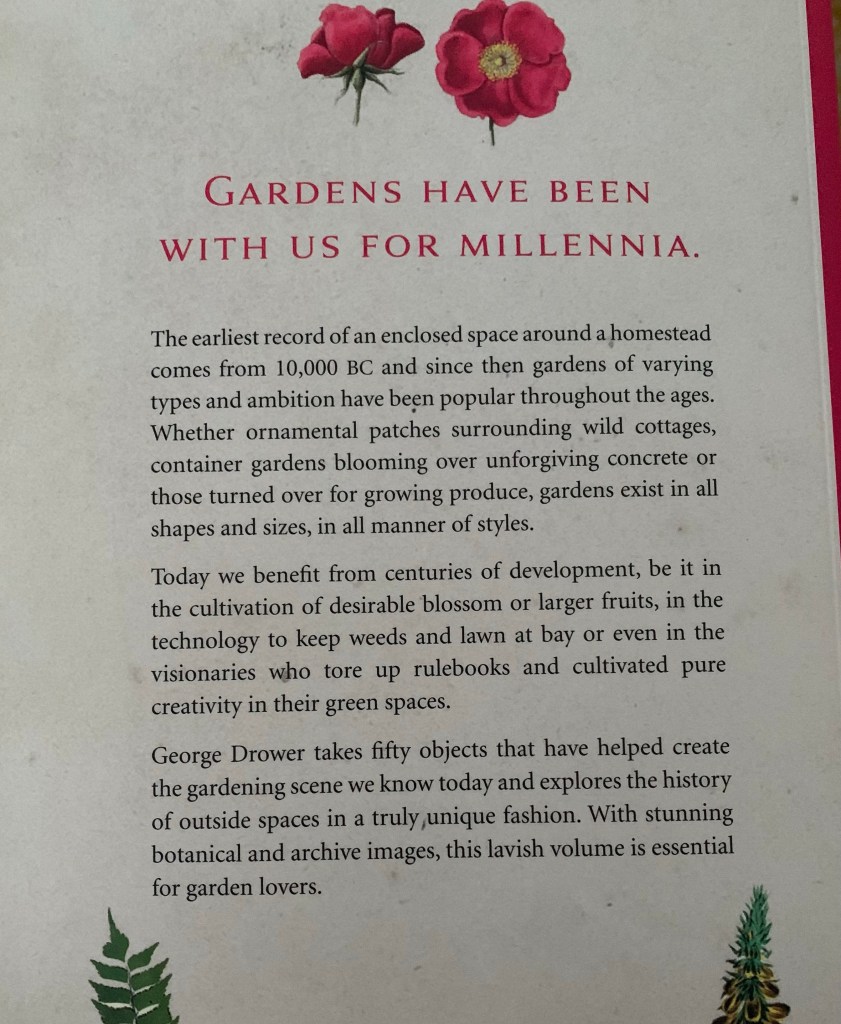
This time I’ve treated myself to one called ‘A History of Gardening in 50 Objects’ by George Drower (The History Press, 2021)

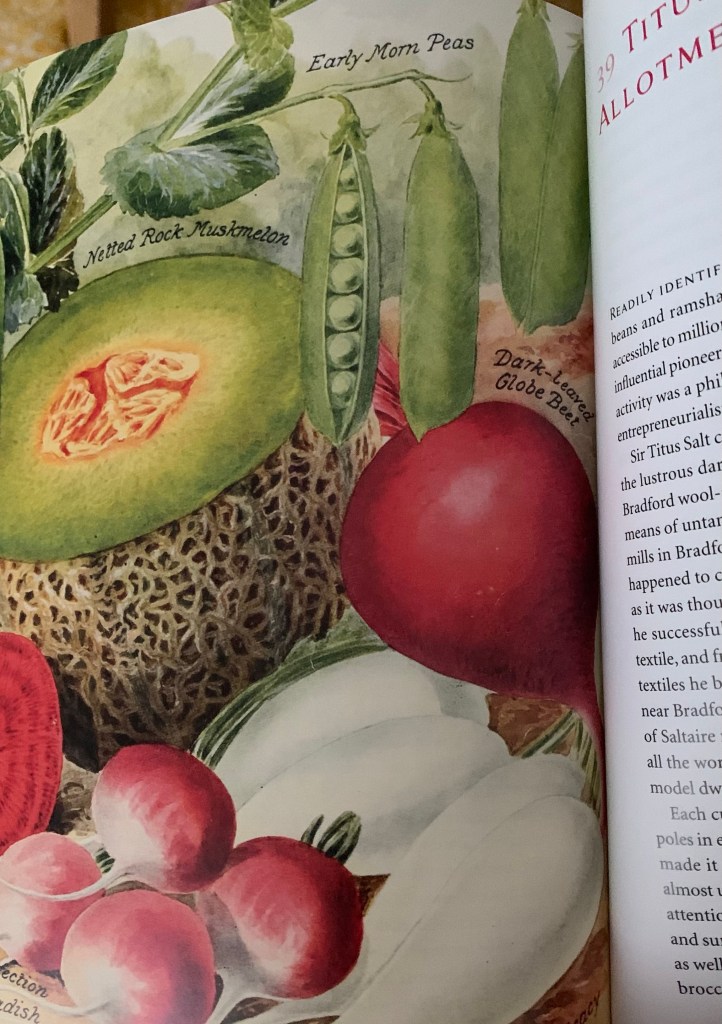
I was first attracted to it by its glorious illustrations which are plentiful through the whole book. (I can’t find who the pictures are attributed to but I’m sure it’s in there somewhere)

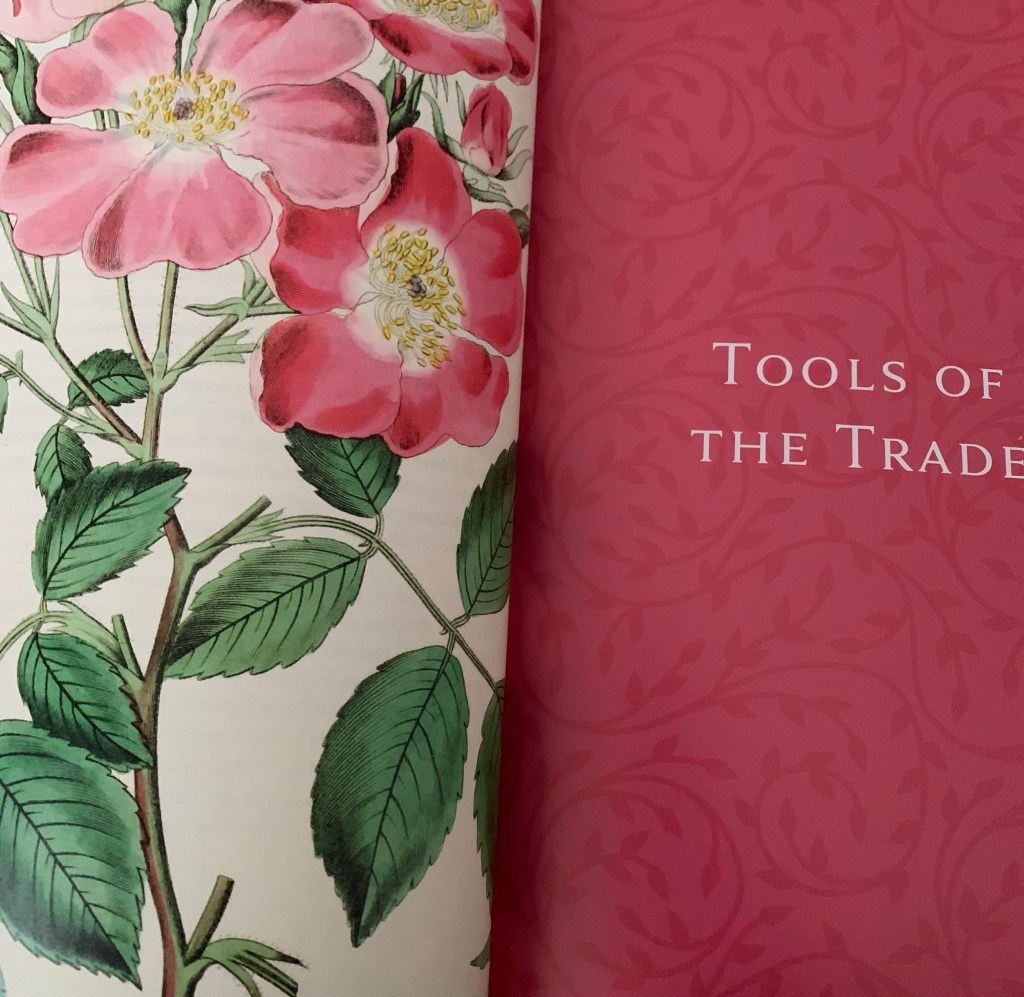
The chapters cover lots of things like: Tools of the Trade, Plant Finders, Gardening Movements, and Lawns. All are filled with some great information, for instance, did you know Carl Nyberg was the bloke that invented a flame thrower for killing weeds, or the wheelbarrow was a Chinese invention? More precisely, it was Chuko Liang (AD 181-234)

Back cover

I bought my copy at Readings Bookstore but a quick Google check shows it’s readily available online. I’m going to have a good time flicking through the chapters, learning new stuff, and admiring the gorgeous pictures. Who knows, they may inspire me to continue my dabbling in botanic art 🤔

Don’t forget to check out my podcast, The Flowerpot Pen, now available on Apple, Google, and Spotify.

Til next time!

Happy Easter

This Easter Saturday I’m on the train to Melbourne to visit two of my children.

As you can see from the photo it’s a bright, clear day and the sun is shining. The paddocks are looking brown, but there’s a bit of green grass left. We need more rain in these parts, the north has had more than it’s share.

From the train

A smoky haze has blanketed the area at times with the farmers burning off the stubble in the fields after harvesting. It makes you wonder how much carbon goes into the atmosphere and how much stays in the ground to be ploughed in with the fertilisers used to make the grasses/crops grow again? I may have to learn a bit more about the farming processes used in my part of the world 🤔

Anyway, it’s hard to type this as I’m travelling so I’ll wish you all a safe and happy Easter break 💖

Til next time!

Listen to the most recent episode of my podcast: Episode Five https://anchor.fm/frances-bryant/episodes/Episode-Five-e1gkt1o

In episode five of The Flowerpot Pen I talk about Camellias, take a brief look at some research into early seasonal onset of tree ring growth, and look at early female botanical artists.

Show notes for your further perusal will start to appear here very soon.

Find The Flowerpot Pen on Spotify and Google podcasts too. Soon to be on Apple.

Cooler days and cool fruits.

Daylight savings has at last finished, the slide into winter has truly begun. Autumn flowers and brightly coloured fruits are fulfilling their life cycles before some slip into dormancy.

My first Camellia flower has appeared. I talk a little about camellias in the latest episode of The Flowerpot Pen podcast which is available now on Spotify and Anchor, and also very shortly on Apple and Google podcasts too!

This particular Camellia is a Sasanqua variety which are usually the first to flower and it’s part of a mixed Camellia hedge so I can look forward to flowers throughout winter.

A little damaged but still pretty

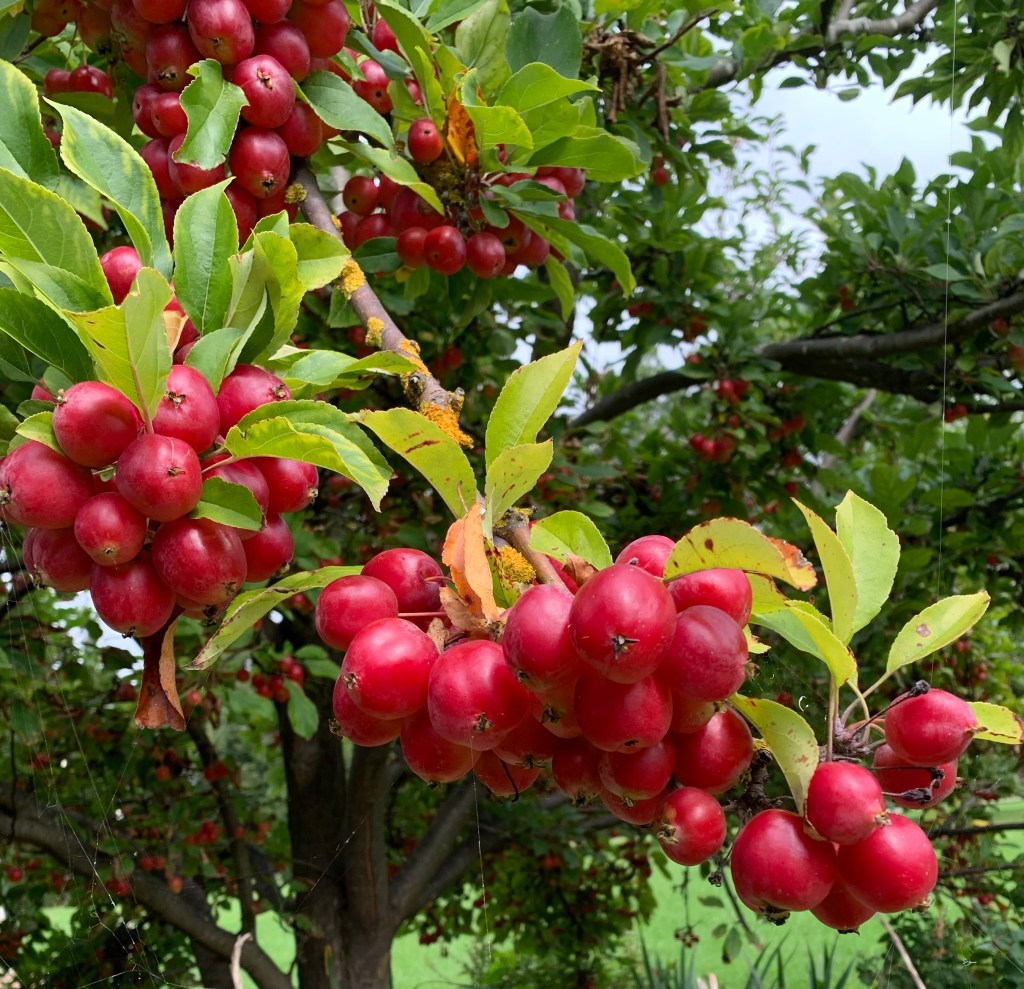
Another source of colour in gardens through the early part of Autumn are the jewelled colours of Crabapples hanging in clusters from branches before the leaves turn colour and drop as the tree becomes dormant for winter.

A cluster of ripening Crabapples

There are quite a few varieties of Crabapples with varying degrees of attractiveness. The one in my garden has pretty simple flowers but the tree comes into it’s own when it’s loaded with clusters of bright red baubles of fruit. Other Crabapple varieties have spectacular flowers but aren’t that pretty in fruit. Then there are some that are just spectacular through all their phases, it just takes a bit of research to find the one you want.

Brilliant red fruit.

“What is the difference between Crabapples and Apples?” I hear you say. Well, not much apart from the obvious. Crabapples are Malus sp. as are Apples. The main differences being a slightly more pointed leaf shape and smaller fruit which grow in clusters, Crabapples are measured as being 2inches or less, while apples are measured as being over 2inches.

Apples and Crabapples are in the Rosacea family which is the same botanic group as roses, strawberries, pears, quince; over 4000 plant species. They are in the sub group Malinae, along with Pears, Hawthorns, and a few others. One feature of this sub group is that their fruit are technically called Pomes.

A pome is described as:

: a fleshy fruit (such as an apple or pear) consisting of an outer thickened fleshy layer and a central core with usually five seeds enclosed in a capsule.

Definition from: Merriam-Webster. com

While the fruit of the Crabapple tree is edible, it’s small size make it a time consuming exercise to do anything with them (for someone with my short attention span anyway). I have made Crabapple Jelly with the fruit from my tree on occasion though. As with Apples, the seeds contain arsenic so eating too many isn’t a good idea anyway.

Til next time!

***please look for my podcast, The Flowerpot Pen on Spotify, Anchor, Google, and Apple (coming soon) and subscribe! 👊🏻

More Autumn Colour

The deciduous trees haven’t really started their autumn colouring yet, but there’s plenty of colour in the flowers we have flowering right now.

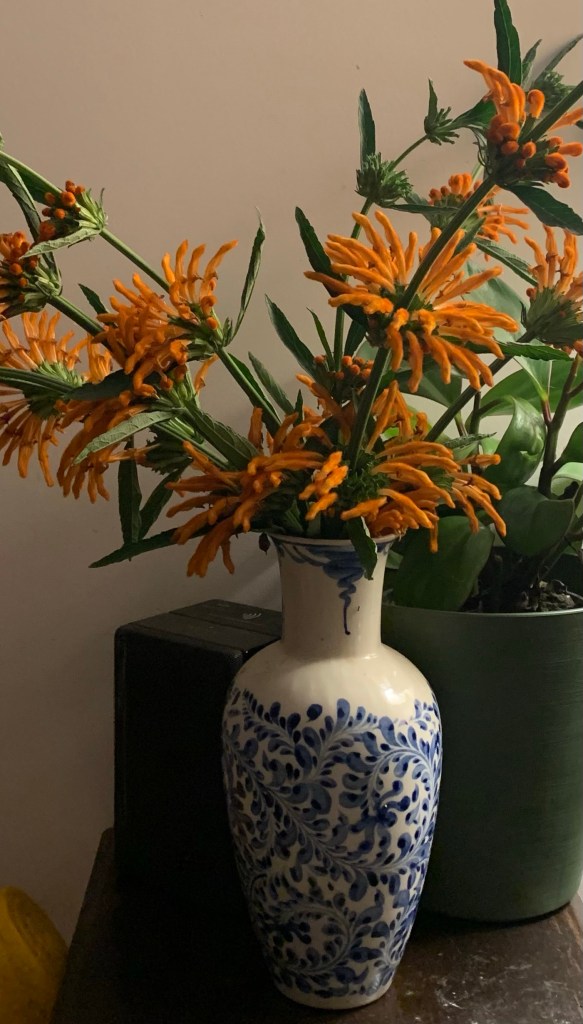
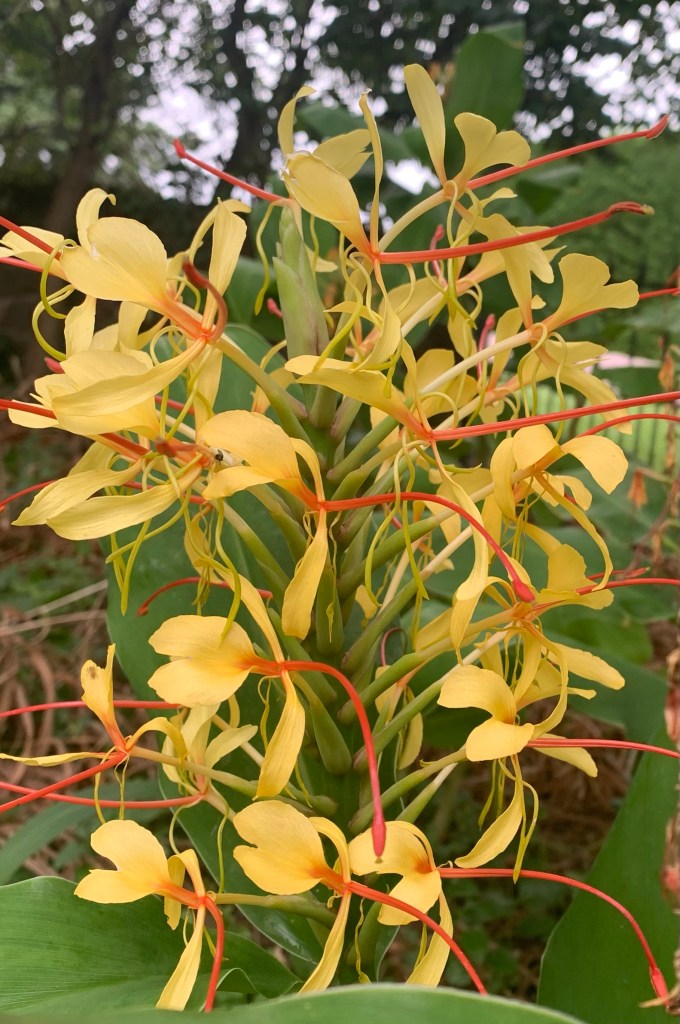
Two plants that give a gorgeous yellow/orange hue in the garden are the Ginger Lily (Hedychium gardnerian) and Leonotis (Leonotis leonurus).

Leonotis leonurus

Leonotis is also known as Lion’s Ear, Lion’s Tail, and Wild Dagga and perhaps not surprisingly it’s a native of the southern parts of Africa.

It’s a pretty drought tolerant plant so it fits nicely into Mediterranean style gardens, coastal gardens, and cottage gardens where it’s very structural flower stalk and bright orange flowers make an interesting addition. It also comes with white or yellow flowers, although these seem to be less common.

Leonotis has been used medicinally and in some countries it has been banned for it’s darker side of being used as a ‘recreational’ plant (in no way do I endorse this usage!).

Leonotis flowers late summer to early autumn in these parts and can be grown in full sun to light shade. Prune it back quite severely after flowering to keep it compact.

The other plant I mentioned is the Ginger Lily. Some of you may think “that horrible thing, it’s everywhere!” and indeed, it has been declared a class 3 weed in Queensland, where you are unable to buy or sell it. It has also been declared an environmental weed in NSW, not to mention being on the list of 100 world’s worst weeds in the Global Invasive Species List (www.issg.org/database/welcome/)

However! Here in my cool temperate area and in colder places, it behaves itself quite nicely and lends a tropical feel to any garden that wants it. The large, orange/yellow flowers are very structural and last well in a vase which is always a bonus.

Ginger Lily

The Ginger Lily grows well in sun to part shade but does require a good deal of moisture in the soil to grow well. Cut to the ground after flowering.

This plant is a good example of knowing how plants behave in different growth conditions, how you can expect it to perform in your garden, and how to take control measures if there’s a possibility of it becoming a problem.

Another example of this is the Agapanthus, you either love them or hate them. I’ve lived in an area where they are a problem, no frosts and sandy soil, and areas where they’re not so much of a problem. The way to control them is to make sure you cut the flowers off before they go to seed.

I think they are a good, hardy plant that has a place in forming the structure of a garden, they make a great low hedge and can also make a good background for more delicate plants.

Til next time!

St Patrick’s Day

Happy St Patrick’s Day!

Here in Australia where there is a very large group of people with Irish ancestry, along with many other countries, this day is a day to wear green, have a drink of Guinness or many, and say “Happy St Patrick’s Day!” to all and sundry.

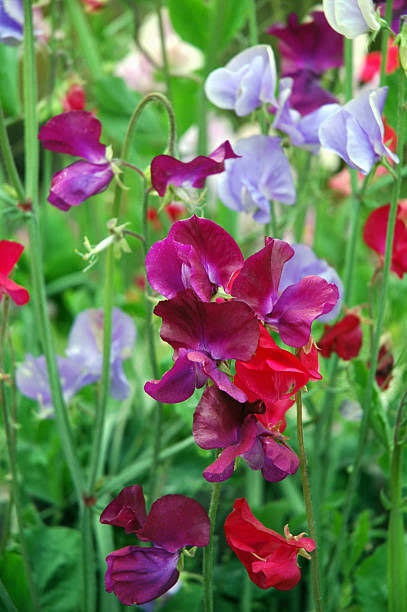
Another thing it’s ‘traditional’ to do is plant your Sweet Pea seeds (Lathyrus odoratus)

This annual plant is very aptly named for it’s delicate sweet scent and pea-like seed pods.

Planting the seeds is an easy job, just prepare a sunny spot by removing any competing plants like weeds and make sure the soil is light, loose and fairly flat. Having a structure nearby for the plant to grow up is helpful too, otherwise they will trail across the ground and you’ll lose the colourful effect of the flowers.

Stock photo (not mine)

Place the seeds in the soil down to the same depth as the width of the seed (in this case a few mm) then cover lightly with soil and water them in.

As the plant grows, carefully tie it up to the supporting structure or train it through any holes to support it off the ground.

After the flowers finish a pea-like pod will form which holds the seeds. You can either collect the seeds when the pod has turned brown so you can sow them again next St Patrick’s Day, or you can leave them to drop on the ground to reshoot in their own time.

When the whole plant has come to the end of it’s life it will gradually turn brown, at which point you can remove it.

These plants are well worth the effort, they have a lovely cottage garden feel and last well in a vase. Today isn’t the only day you can plant them, that would be extremely limiting, they can be planted right up til the middle of autumn, depending on where you live of course.

Til next time!

Autumn

Autumn seems to have hit. It’s been a bit grey and miserable here in the Western Districts.

The garden isn’t without a bit of colour though, some roses are getting another flush of flowers and the late summer, early autumn flowers like Sedums are quite glorious.

I’ve got a bit of an admission to make, I’m a really lazy gardener at home in my own garden. Maybe it’s because I put my energy into other people’s gardens, maybe it’s because I like to plant plants that are super easy to look after; ones that give a lot of bang for their buck.

One of these super easy plants (at least in this cool temperate area which has cold winters with good rainfall, and hot summers) is a plant commonly called ‘Sedum’.

A patch of Sedum.

It used to be called Sedum spectabile, ‘Autumn Joy’ is a common cultivar. Nowadays it is called Hylotelephium spectabile. I’m assuming the cultivar names will be the same.

It is a succulent plant in the Crassulaceae family and grows well in full sun to part shade. The plant starts as a clump of low growing succulent rosettes which send up fleshy stems over the summer. At the end of summer and in to Autumn the stems push out an inflorescence with small, starry flowers.

Fleshy stems and serrated leaves.

The long lasting flowers are great as a cut flower.

Once the flowers are done, the stems can be cut right back down to the ground, leaving the basal stem and rhizomatous ‘roots’. This is a good time to break up the clump and spread it around your garden or give to a deserving friend.

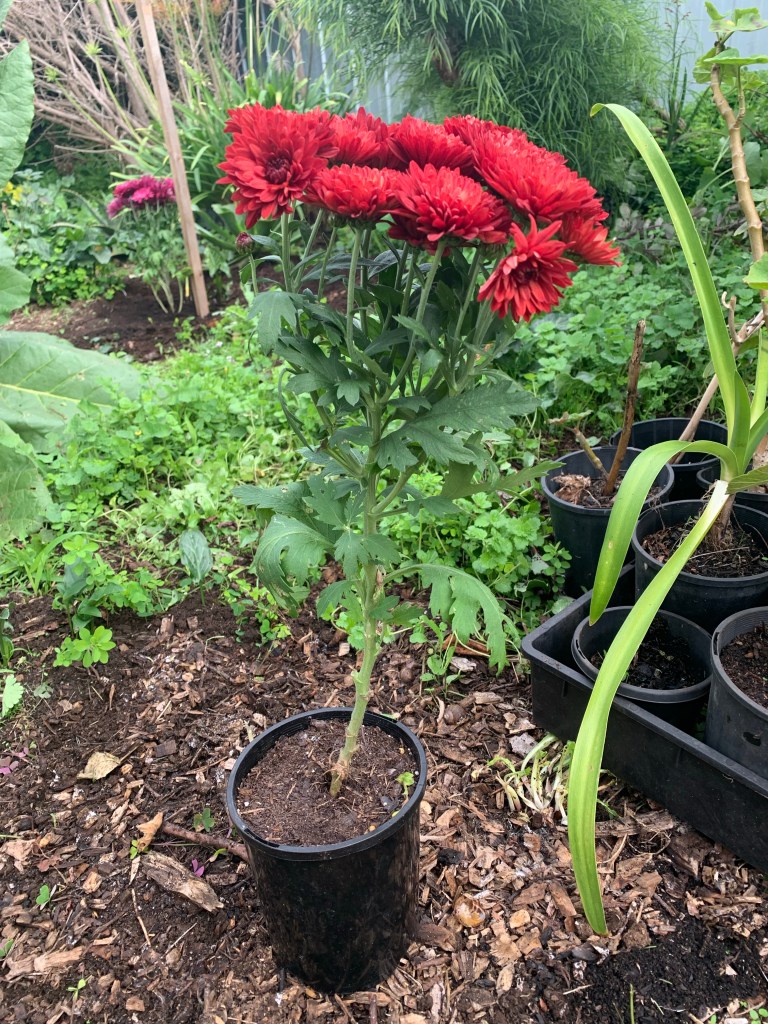
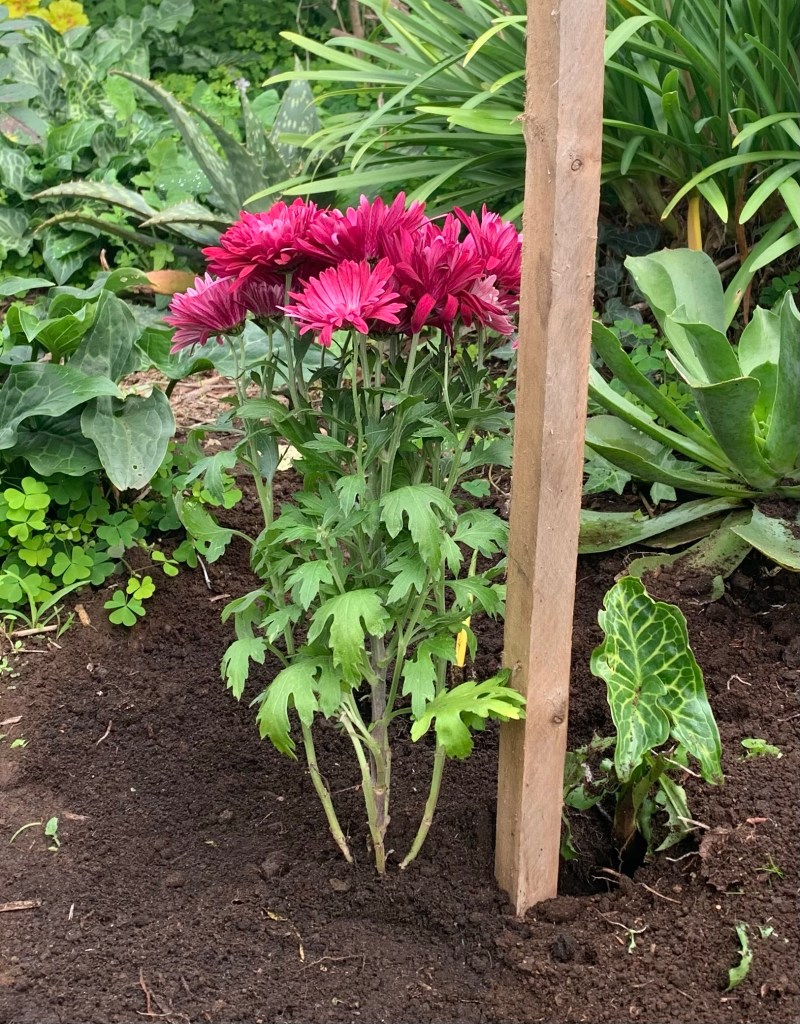
Other super easy plants I have in my garden are Salvias, Chrysanthemums, and quite a few succulents. I might talk about some of these in my next blog post 🤔

Til next time!

Fuchsia Berries

One of the plants featured in my book ‘Unexpectedly Edible’ is the Fuchsia.

These plants are grown for their enchanting flowers that look like ballerinas twirling en pointe with skirts floating in the breeze.

They are among my very favourite plants and flowers, I have fond memories of a Fuchsia planted outside my bedroom window in my childhood home.

They grow very well in temperate parts of Australia and also grow well in parts of New Zealand, where I grew up. They can flower sporadically throughout the year.

Fuchsia flower with ‘berries’

After the flowers fade, a ‘berry’ ( I’m going to call it a berry as I haven’t made the effort to check what it technically is, sorry…) forms on the stem.

What people don’t realise often, is that this ‘berry’ is edible!

When it is fully ripened it can be picked and used to make jams (you’d need a lot though) or even added to a fruit salad. They don’t have a very strong taste but have a nice texture.

Steps in ripening.

There are more interesting facts about common plants you may have in your garden that you could eat in my book ‘Unexpectedly Edible, Common plants you could eat (if you had to)’. This is available as an ebook on Amazon and GooglePlay ( search the title). If a printed copy is more your thing, message me on theflowerpotpen.com . Printed copies are $10au +p&h.

Inside a ripe ‘berry’

Til next time!